Commercial Metal Roof Contractors – Expert Guide to Durable & Efficient Solutions
Choosing experienced commercial metal roof contractors is critical for businesses seeking long-lasting, weather-resistant roofing solutions. Metal roofing offers fire resistance, energy efficiency, and minimal maintenance, but only when correctly installed. This comprehensive guide provides expert insights on contractor qualifications, advanced technology, real-world installations, benefits, practical uses, and essential FAQs to support informed decisions.
What Defines Quality Commercial Metal Roof Contractors
Certifications and Industry Experience
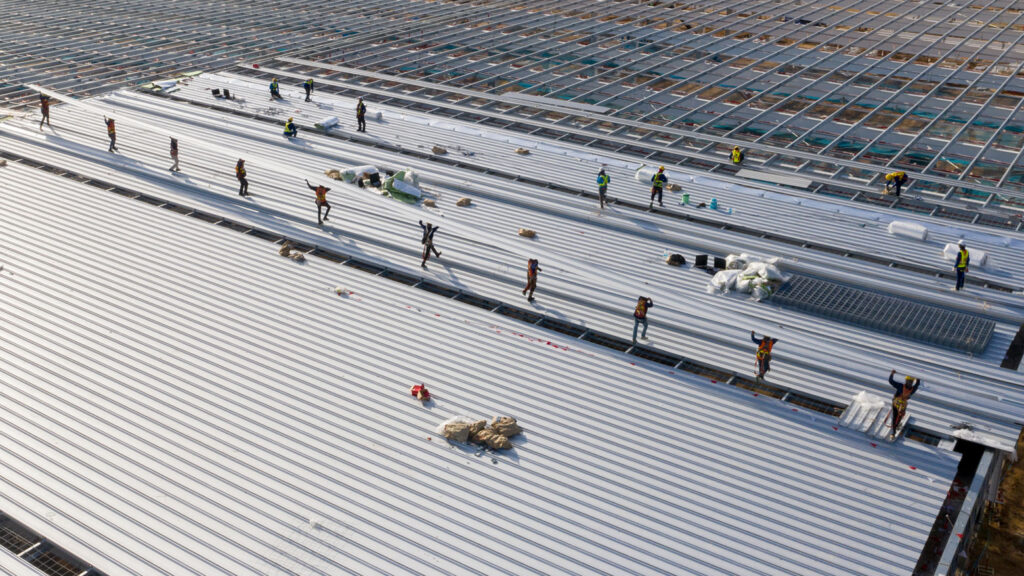
Top contractors hold certifications from recognized manufacturers (e.g., standing-seam panel makers) and industry bodies, indicating training in proper fastening, seam layout, and flashing procedures. They balance aesthetic precision with structural performance, crucial for commercial-scale projects.
Engineering Capabilities and Code Compliance
Contractors must understand load calculations, wind uplift values (UL 90/180), and local building codes. A qualified installer works with engineers to calculate fastener spacing, clip placement, and support spacing for safety and structural integrity.
Core Metal Roofing Materials and Styles
Standing-Seam Panels
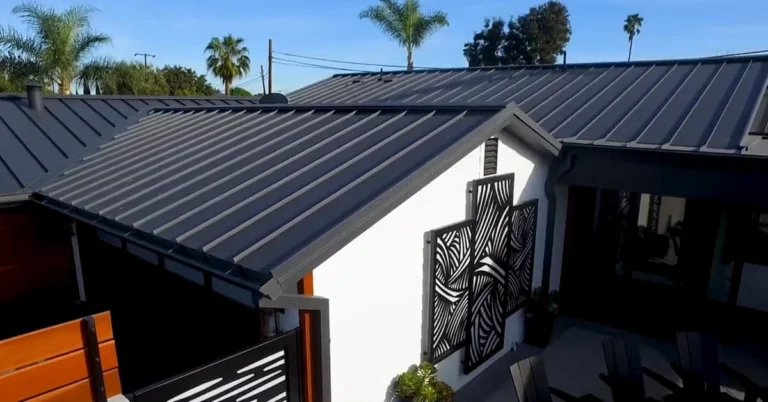
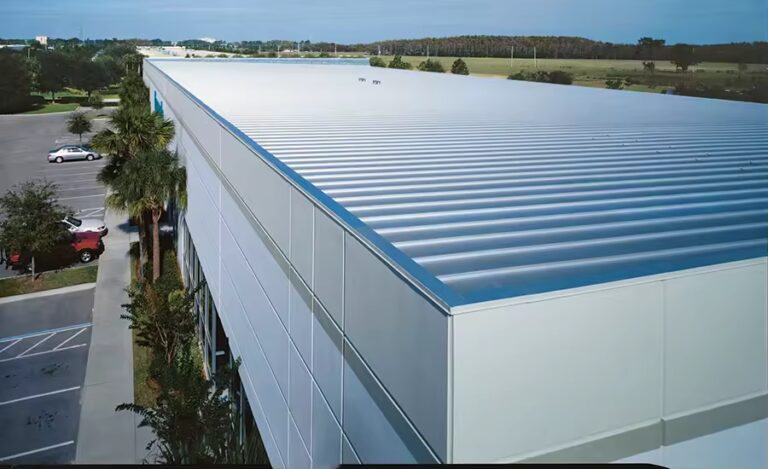
These feature concealed fasteners and raised seams, offering sleek appearance and enhanced corrosion resistance. They’re ideal for commercial buildings where weather tightness and superior wind performance matter.
Exposed Fastener Profiles
Durable and cost-effective, these panels attach directly to the substrate and are common in industrial or agricultural buildings. They include integral ribs for water shedding.
Structural Deck Metal Roofs
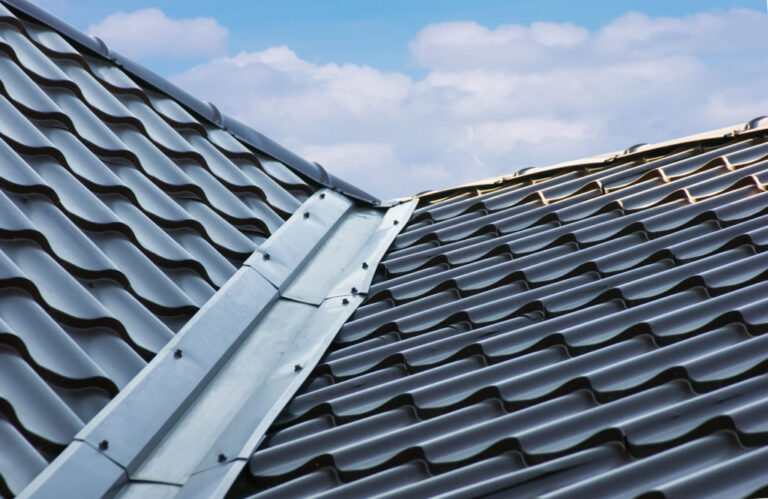
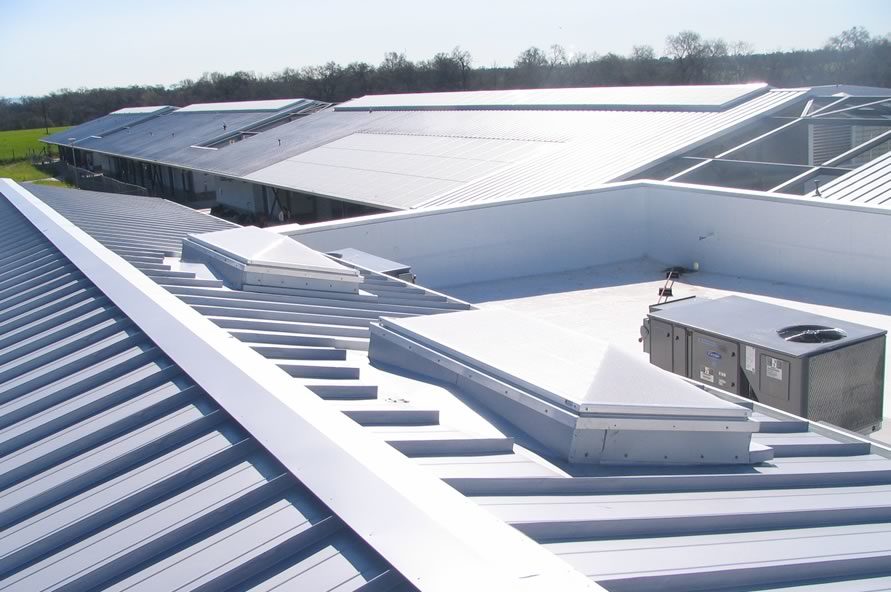
For large flat or low-slope roofs, contractors install profiled metal decks that support insulation, membranes, and sometimes solar panels. These systems integrate with the building structure and require precision engineering.
Technology in Commercial Metal Roofing
Thermal Expansion Addressed Through Clip Systems
Commercial roofs must handle temperature swings. Top contractors use floating clips that allow metal expansion without warping or oil-canning.
Integrated Insulation & Air Barriers
To meet energy codes, installers layer thermal insulation, vapor retarders, and vapor-permeable underlayments beneath panels for thermal and humidity control.
Rain Screen and Venting Techniques
Tall buildings risk water intrusion from wind-driven rain. Advanced designs rely on rain screen principles, creating ventilated cavities and effective drainage via weep holes and pressure equalization.
Real‑World Commercial Metal Roof Installations
Example 1: School with Class-A Fire-Rated Roof
A university building was upgraded to standing-seam metal panels with reinforced clip systems. The installer used NFPA 286–compliant wall assemblies and concealed fasteners for fire safety and a clean aesthetic.
Post-installation feedback noted improved insulation and rainwater tightness.
Example 2: Warehouse Economy & Functionality
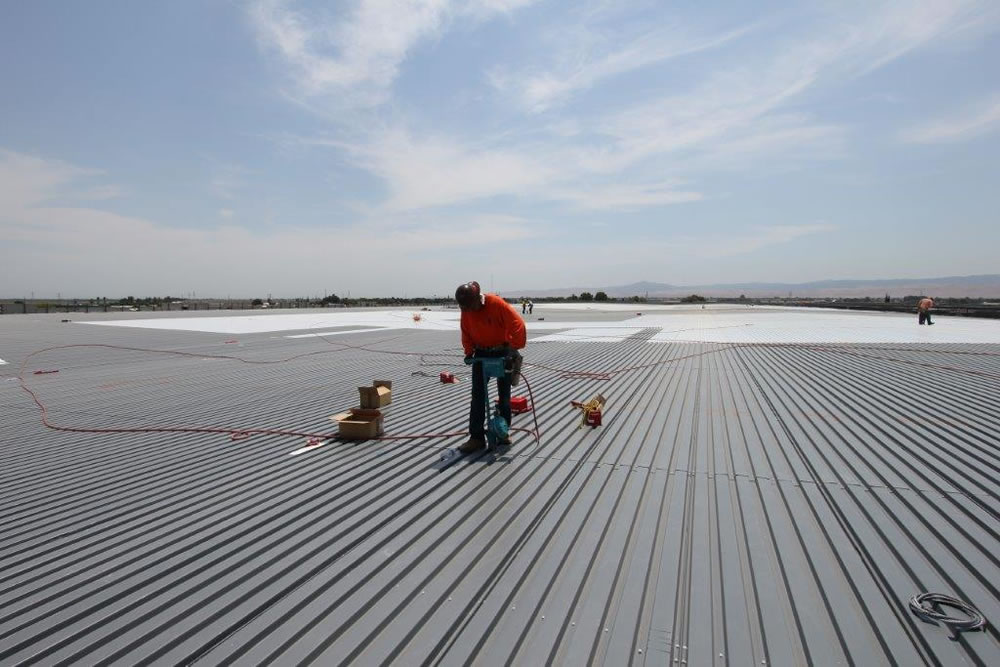
An industrial contractor applied cost-effective exposed fastener panels with anti-siphon ribs. The material met wind and fire code requirements while maximizing value, especially appealing to budget-conscious clients.
Panels included factory-applied coatings to resist corrosion in chemically active environments.
Example 3: Retail Center Low-Slope System
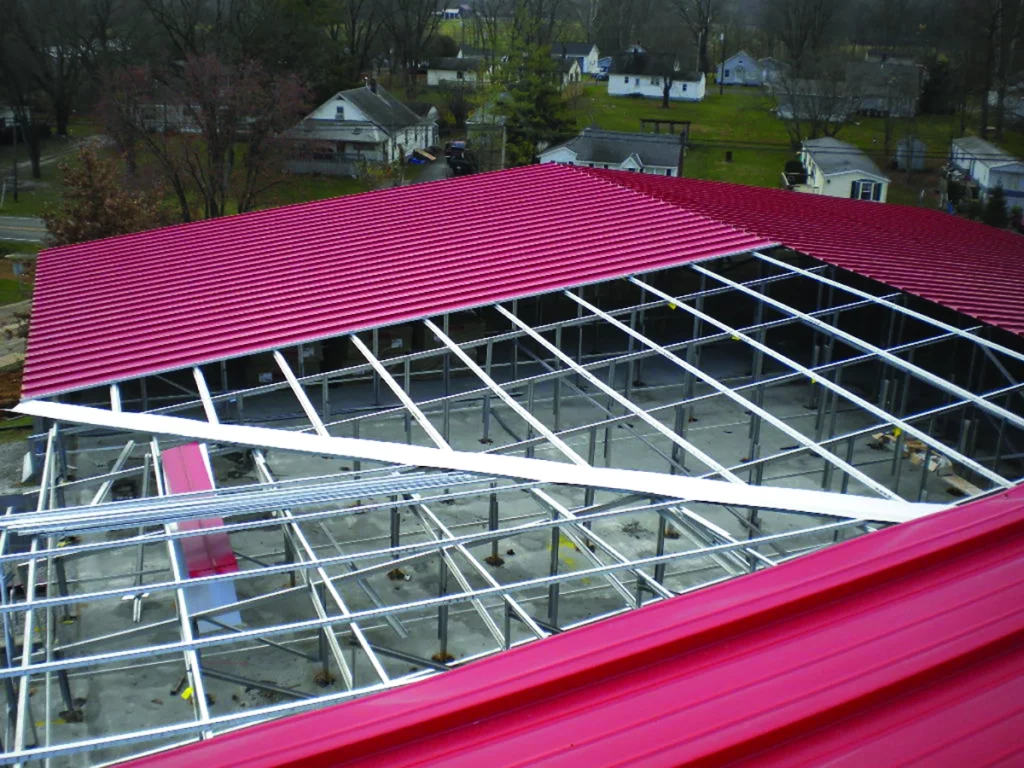
A commercial retail center used a structural deck roof system with mechanically seamed panels. Insulation and thermal break clips met ASHRAE requirements, while seam precision maintained visual quality across storefront expanses.
Example 4: Solar Carport Installation
A carport addition used standing-seam panels with integrated solar attachments. The contractor collaborated with a solar provider to align seams to rails, eliminating roof penetrations and simplifying electrical grounding.
Example 5: Multi-Tenant Complex Façade
On a mixed-use building, installers used vertical metal panels as rainscreen cladding over insulation and rain screen cavities. The result offered modern aesthetics, durability, and improved wall performance.
Advantages of Commercial Metal Roofing Systems
Longevity and Performance
Metal roofs often exceed 50 years of service life. They resist rot, insects, fire, and UV degradation. With proper clip systems and coatings, performance remains dependable.
They’re frequently re-roofed rather than replaced entirely.
Energy Efficiency and Reflectance
Modern metal panels have high solar reflectance and emissivity ratings. Cool roof designs reduce cooling loads, support LEED credits, and contribute to corporate sustainability goals.
Minimal Maintenance
Once installed, metal roofs require occasional inspections and debris removal. Without shingles to crack or granules to lose, they offer predictable upkeep schedules.
Fire and Environmental Security
Metal resists ignition and complies with Class-A fire ratings. It also reflects radiant heat, reducing fire spread. Additionally, metal roofing is recyclable and aligns with environmental design initiatives.
Common Use Cases for Metal Roofs
High-Wind and Coastal Settings
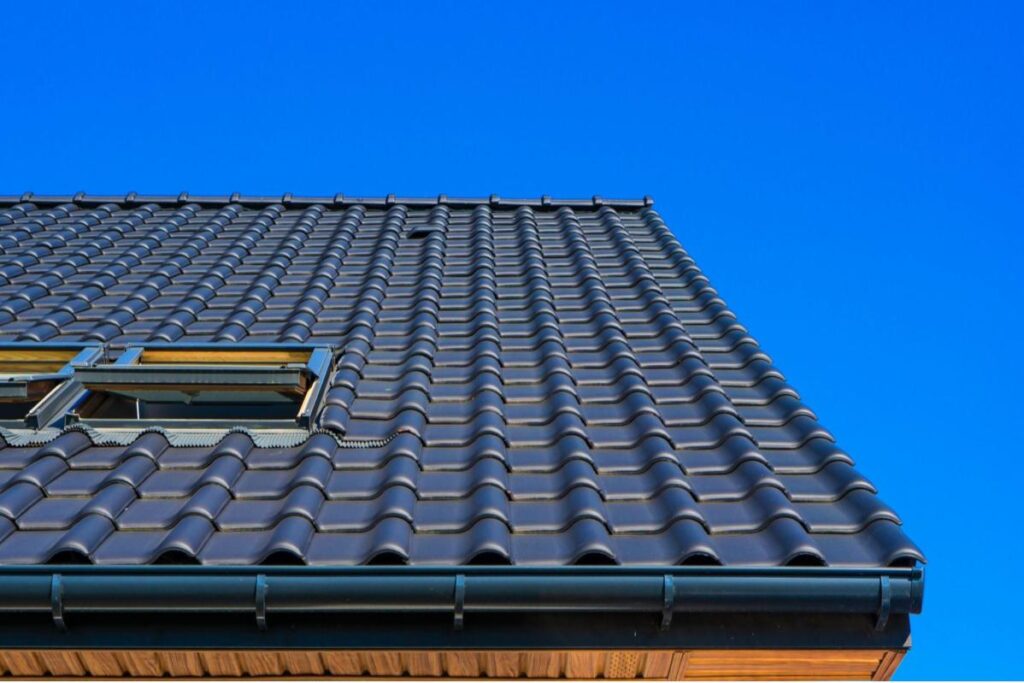
Commercial properties in hurricane zones benefit from interlocking panel systems and uplift-rated clip layouts, ensuring code compliance and wind resistance even in extreme storms.
Architectural Highlights on Office Buildings
Architects often specify standing-seam panels for high-end visual impact. Contractors use custom finishes, concealed fasteners, and detailing to deliver clean, contemporary lines.
Retrofit Over Existing Roofing
Metal systems can be retrofitted over existing roof decks, reducing waste hauling and disposal costs while protecting building operations during installation.
Renewable Energy Integration
Metal roofs are ideal platforms for rooftop solar. Contractors pre-plan roof penetrations and seams to accommodate solar mounts and minimize thermal/conductive bridging.
Low-Slope Commercial Facilities
With structural metal decks, low-slope buildings can achieve durability and weather tightness while simplifying thermal barrier implementation under panels.
FAQs
Q1: How long does a commercial metal roof installation take?
A typical mid-size commercial building (20,000–40,000 sq ft) takes 7–14 days to install, depending on design complexity and weather. Slope, insulation requirements, and surface preparation affect the timeline.
Q2: Do commercial metal roofs require a specialized maintenance plan?
Yes—periodic inspections are advised every 3–5 years. Typical tasks include checking fastener tightness, re-caulking flashings, clearing debris from drains, and inspecting coatings for oxidation or chalking.
Q3: Can metal roofs be installed over existing roofing material?
Often yes. Metal panels can overlay existing low-slope roofing or decks, provided structural load capacity is confirmed. Proper spacer clips create air gaps for ventilation.