CT Metal Roofing Contractors – Expert Guide for Local Businesses & Homeowners
Looking for CT metal roofing contractors? Whether you’re a homeowner or commercial property owner in Connecticut, understanding metal roofing from material choices to installation techniques ensures a long-lasting, energy-efficient roof. This guide dives into local expertise, advanced technologies, real-world projects, benefits, use cases, and expert FAQs to help you make confident decisions.
Why Choosing Local CT Metal Roofing Contractors Matters
CT metal roofing requires careful planning tailored to regional weather, heavy snowfall, coastal wind, hail, and salt spray. Local contractors know building codes, zoning laws, and seasonal timing to avoid delays and ensure compliance.
Furthermore, any future maintenance, warranties, or inspections benefit from contractors nearby. Connecticut-based roofers like Connecticut Roofcrafters offer end-to-end service, from on-site fabrication to handling permits, enhancing long-term support.
Materials and Roofing Styles Popular in Connecticut
Standing-Seam Metal Roofing
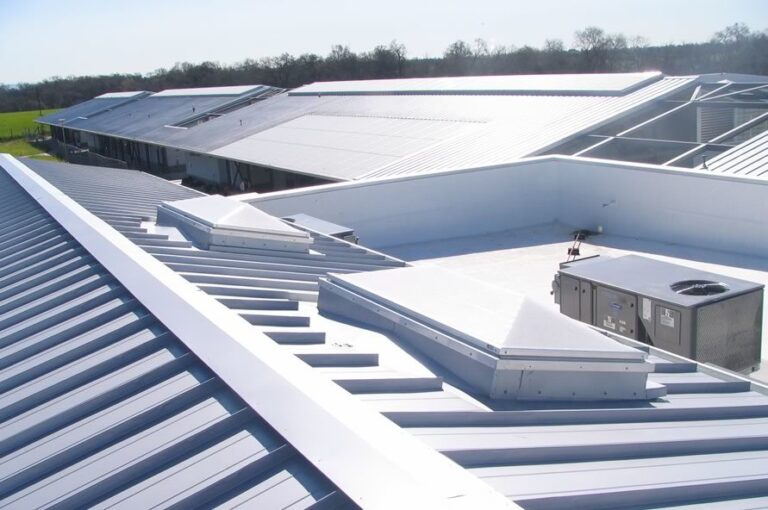
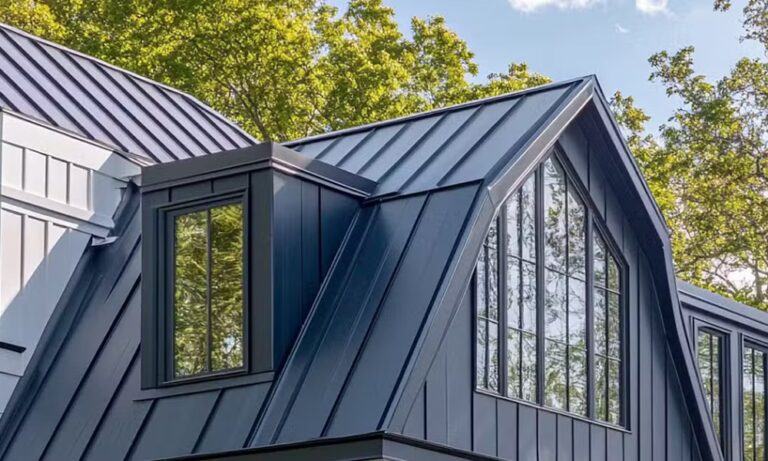
A top choice in the state, standing-seam systems protect with interlocking vertical panels and hidden clips that allow for thermal movement. Contractors in CT often use products from Englert, Peterson (Pac-Clad), or Firestone—all suitable for New England’s varied climate.
Galvalume, Aluminum, and Zinc Options
Connecticut Roofcrafters installs Galvalume steel for its strength, aluminum for salt-air zones, and zinc for a distinctive finish. Zinc offers a self-healing surface and a 100‑year lifespan; aluminum resists rust in coastal areas.
Metal Shingles & Architectural Profiles
Some CT companies offer metal shingles, shakes, and slate-look panels, providing aesthetic flexibility along with metal’s lasting benefits ideal for historic homes or upscale properties.
Advanced Installation Techniques from CT Roofers
Roofing Deck Preparation and Ventilation
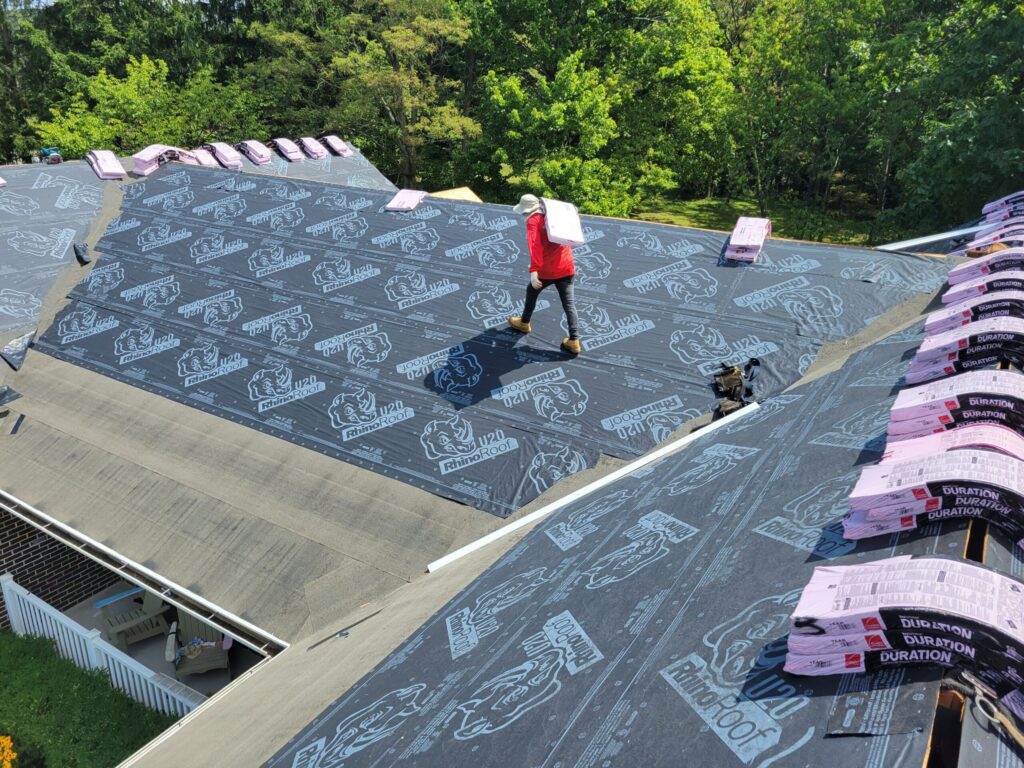
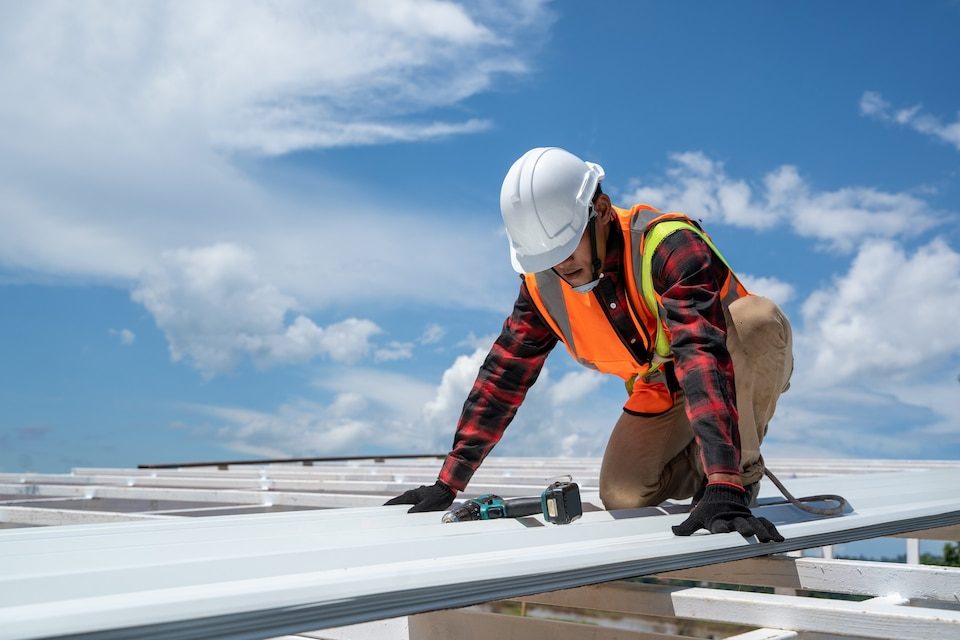
Local professionals begin by inspecting the decking and ensuring proper ventilation systems, essential for preventing condensation and ice dams in winter climates.
Clips, Fasteners & Thermal Expansion
CT contractors use floating clips, neoprene washers, oversized fasteners, and seam alignment tools. These are critical in adapting to temperature swings and ensuring watertight seals.
On-Site Fabrication and Custom Fit
With mobile roll-formers, companies like Connecticut Roofcrafters fabricate panels on-site to reduce waste, adjust for real-world conditions, and maintain crisp, continuous lines.
Real-World CT Metal Roofing Projects
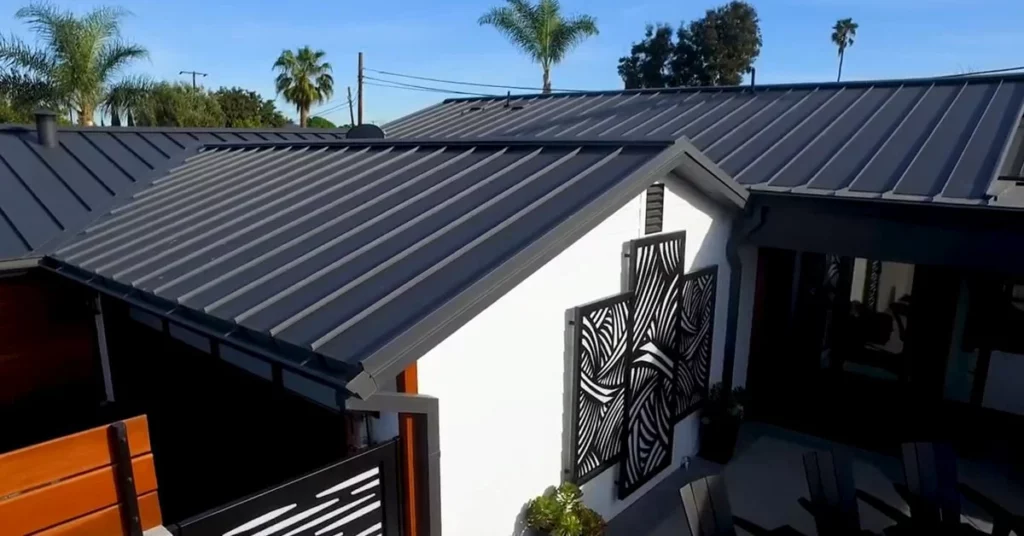
Custom Standing‑Seam for Suburban Home
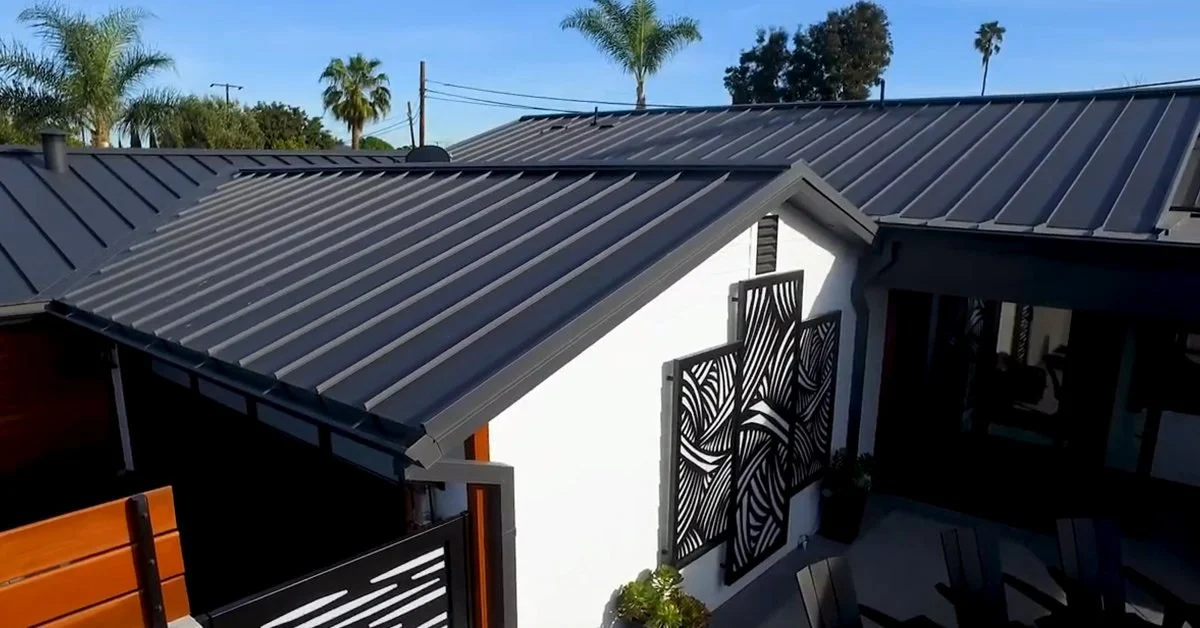
In Easton, CT, a 24‑gauge Kynar-coated steel roof in matte black was installed over polyiso insulation, using S-5 clips, blending modern aesthetics with energy efficiency, all crafted and installed onsite.
Salt‑Air Resistant Aluminum Roof
On a shoreline property, homeowners opted for aluminum panels to avoid rust. Fasteners and flashings were chosen to resist saline corrosion and coordinate with coastal building codes.
Zinc Roof for Distinctive Finish
A CT project used zinc panels for a historic-style home, relying on zinc’s natural patina and self-healing capabilities. Certified installers ensured seamless joints and long-term aesthetics.
Metal Shingles for Historic Preservation
In Hartford, a metal shingle roof offered a classic appearance with fire resistance. Contractors used high-grade steel shingles featuring interlocks and stone-chip coatings, matching traditional architecture.
Commercial Property with Solar‑Ready Panels
A commercial CT building featured standing-seam roofing designed with solar panel mounting clips (S-5) built into seams, preventing roof penetrations and ensuring easy solar integration .
Benefits Specific to Connecticut Metal Roofing
Longevity and Resistance
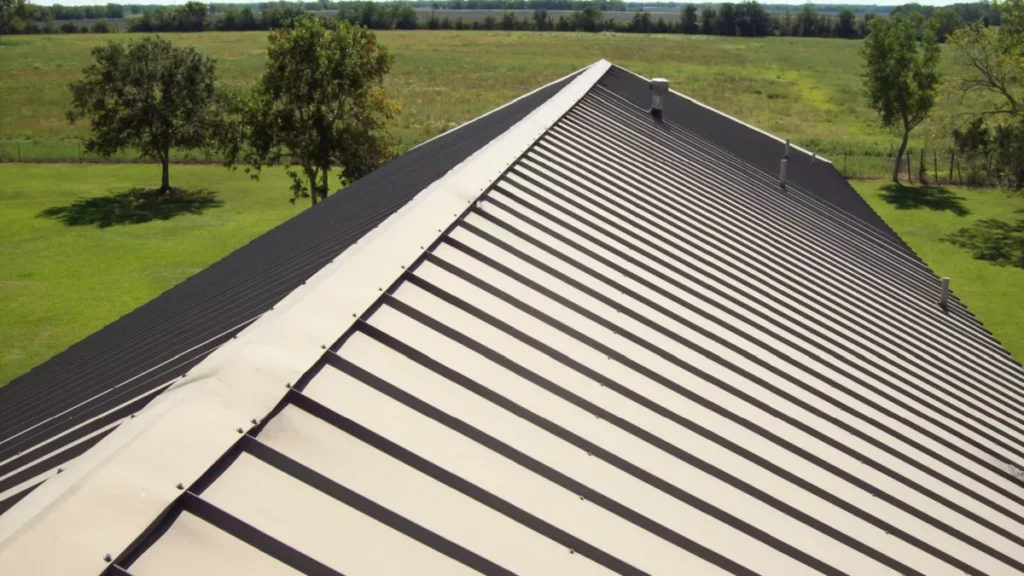
Metal roofs installed correctly can last 50–75 years in CT. Materials withstand heavy snow, wind, hail, fire, and coastal corrosion, far outperforming asphalt systems.
Energy Efficiency and Ice-Dam Prevention
Standing-seam roofs encourage snow shedding, preventing ice dams. Reflective coatings can reduce cooling costs and improve thermal efficiency in varying Connecticut seasons.
Low Maintenance and Sustainability
Metal roofs are low-maintenance: occasional inspections suffice. Made from up to 95% recycled materials, they’re fully recyclable, aligning with eco-conscious building practices in CT.
Enhanced Property Value
Durable, durable, aesthetic roofing adds curb appeal. Metal roofs in CT offer high ROI, appeal to eco-minded buyers, and can offset taxes through energy credits.
Practical Use Cases and Solutions
Shoreline Homes Facing Salt Exposure
Aluminum or Galvalume metal roofs resist corrosion from salt spray ideal for CT coastal properties. Special flashings and coatings extend lifespan beyond 50 years.
Historic or High-End Architectural Properties
Metal shingles mimic slate or cedar while providing modern durability. They preserve heritage aesthetics and reduce structural weight compared to their real counterparts.
Commercial Buildings with Solar Integration
Metal roofs designed with solar clips eliminate penetrations, support renewable energy goals, and cut electric bills while preserving warranty integrity.
Hail-, Fire-, and Wind-Prone Environments
Metal roofs in CT withstand Class‑4 hail, Class‑A fire exposure, and high wind events. They often meet or exceed 165 mph wind ratings, crucial for storm-prone areas.
Re-Roofing over Asphalt or Low-Slope Roofs
To avoid tear-off costs, many metal roofers install new metal roofing systems over existing asphalt, saving time, avoiding debris, and boosting performance.
FAQs
Q1: How long does a metal roof last in Connecticut?
A well-installed standing-seam metal roof lasts 50–75 years. Galvalume and aluminum resist corrosion, while zinc can last 100 years. Proper underlayment and flashing help maximize lifespan.
Q2: Are metal roofs noisy during rain or hail?
Modern underlayment, insulation, and decking reduce noise significantly. Many homeowners report minimal sound difference compared to asphalt. Proper installation by CT contractors ensures peace.
Q3: Do metal roofs save on energy bills?
Yes. Reflective metal roofing reduces attic heat gain and cooling costs. Snow-shedding prevents ice dams, and insulated panel systems dampen heat loss, leading to energy savings in Connecticut’s varying climate.