Metal Roof Repair Services – Comprehensive Guide to Durable Solutions
Metal roof repair services address the hidden vulnerabilities of durable roofing systems, prolonging their lifespan and preserving performance. From leaks around fasteners to oil canning and rust, timely repairs can prevent costly replacements. Let’s explore in-depth insights on metal roof repairs, technology-driven solutions, real-world use cases, benefits, and precise FAQs to guide homeowners and building managers alike.
Common Issues in Metal Roofs
Fastener Failures and Sealant Degradation
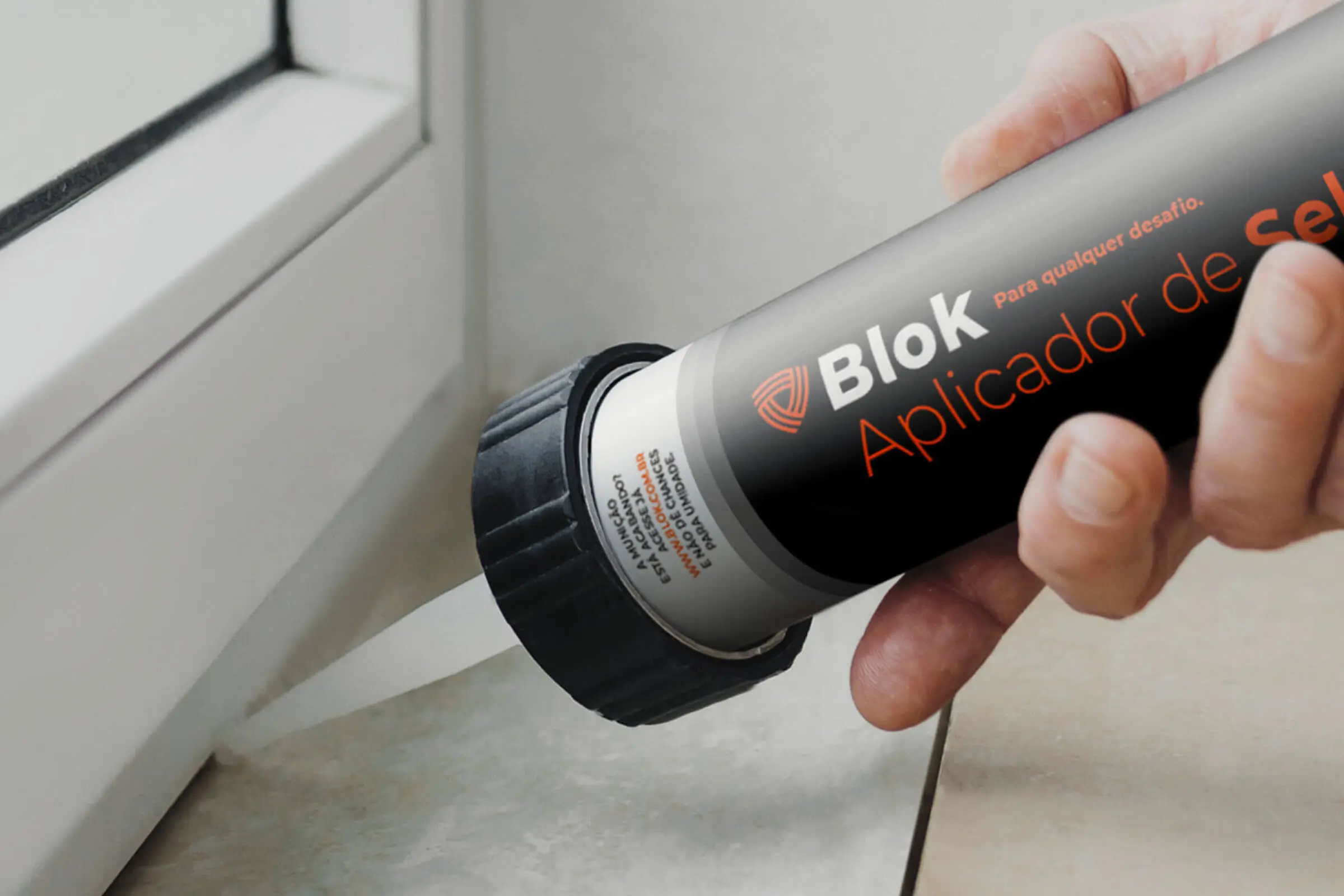
Over time, metal expands and contracts, causing screws and sealing washers to loosen or deteriorate Left unchecked, this leads to leaks around fasteners and potential structural damage. Rubber gaskets may perish, while overly tight screw placement hinders watertight performance.
Leaks at Flashings, Overlaps, and Curb Penetrations
Leaks often originate at flashing areas around chimneys, HVAC curbs, skylights, and panel overlaps. Capillary action can draw water uphill unless seams are properly sealed with butyl tape and metered sealants.
Panel Punctures, Rust, and Oil Canning
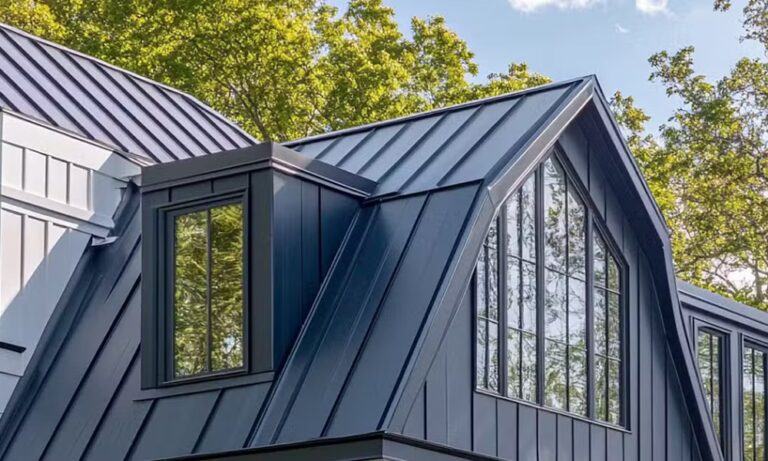
Metal panels can suffer dents, rust, or oil canning, visible waviness from improper handling, or thermal stress. When protective coatings wear off, corrosion may set in. Correcting these requires targeted repair, not full replacement.
Technology-Driven Repair Techniques
Secure Fasteners and Sealant Rejuvenation
Modern repairs use corrosion-resistant screws with neoprene washers and correct torque specifications. Technicians retighten or replace old fasteners while applying metal-compatible sealants or butyl tapes to seams—maintaining expansion and contraction compatibility.
Patch Systems for Leaks and Holes
Punctures and larger panel damage require metallic patch plates, adhered with premium sealants. The underlying substrate is prepped by wire-brushing rust and priming for bonding. This is followed by reinforcing patches taped and painted to match the roof panels.
Flashing Retrofit and Waterproofing
Technicians retrofit curbs, vents, and skylight edges with new metal flashings and high-performance gaskets. Every flashing is pressure-tested to ensure no hidden channel remains, preventing future water ingress.
Anti‑Rust Coatings and Reflective Sealants
Advanced coatings with anti-corrosive compounds are applied to exposed edges and minor rust areas. Cool-roof reflective coatings help maintain panel integrity and reduce future degradation.
Real‑World Examples of Metal Roof Repairs
Residential Fastener Retorquing After Storm Damage
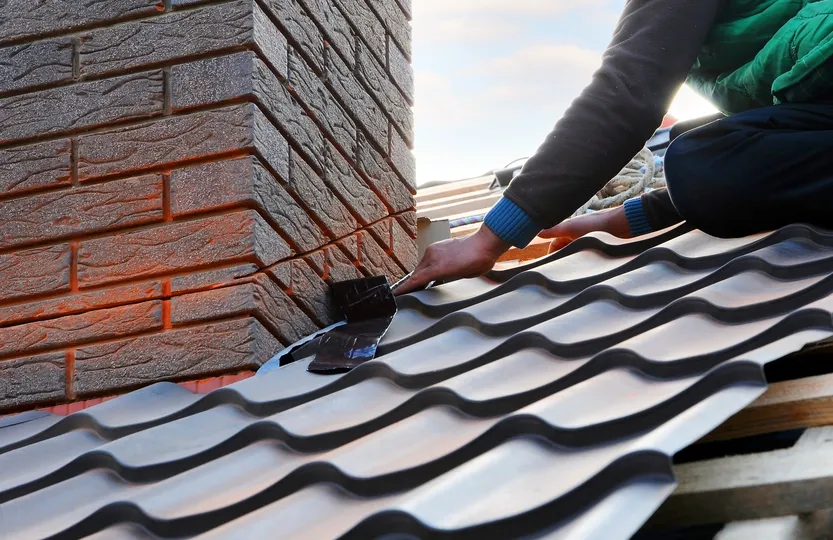
In a Midwest home, heavy winds loosened fasteners on a standing-seam roof. Contractors surveyed screws, retightened where possible, and replaced failed ones. Gaskets were refreshed and seams sprayed with elastic sealant, restoring watertight integrity with minimal cost.
Commercial Leak Repair Due to Fallen Debris
A warehouse roof received a puncture from fallen tools. Technicians cleaned rust around the hole, applied metallic patch, sealed perimeter, and topped with matching coating. Roof remained leak-free even after next rainstorm.
Flashing Retrofit around HVAC Rooftop Unit
A leaking HVAC curb on a retail store was sealed with new curb flashings, integrated water diverters, and self-adhered membranes. The repair eliminated leaks and passed the next heavy storm test.
Rust Spot Coating at Coastal Residence
On a coastal property, minor edge corrosion was discovered on aluminum panels. Technicians wire-brushed rust, applied primer, and metal-compatible paint. A UV-resistant clear coat was later added to prevent color fading.
Addressing Oil Canning on Patios’ Metal Roofing
An apartment’s deck canopy showed wavy panels due to expansion stress. Contractors installed ribbed supports and replaced a few panels to achieve uniform flatness and eliminate visual distortion.
Benefits of Professional Metal Roof Repair Services
Cost‑Effective Long-Term Preservation
Addressing small issues early loose screws, minor leaks, surface rust extends roof lifespan and delays replacement costs, which can range from $5–16 per square foot,
Improved Energy Efficiency
Sealant and flash repairs eliminate air leaks, reducing conditioned-air loss. Reflective coatings applied during repairs help mitigate roof heat gain and lower cooling bills.
Structural Safeguarding
Fixing punctures and flashings early prevents structural damage to building interiors, such as rot, mold, and insulation degradation, saving future repair costs.
Warranty and Insurance Compliance
Many warranties require documented maintenance and professional repair to remain valid. Prompt repairs ensure compliance with insurers and manufacturers.
Curb Appeal Retention
Restoring damaged areas, especially on visible panels or roof edges, maintains aesthetic quality and protects property value.
Use Cases of Metal Roof Repair
Severe Storm Recovery
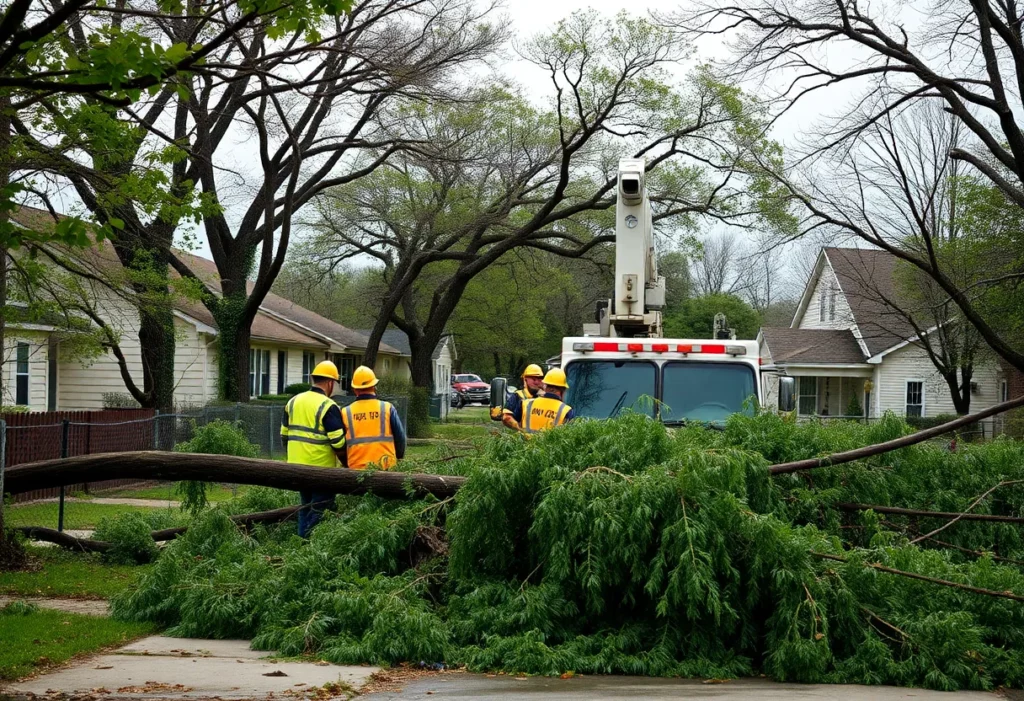
After hail or wind events, property owners need fast repairs for leaks, dented panels, and missing fasteners. Skilled services restore functionality and minimize business downtime.
Pre‑Sale Inspection and Maintenance
Before selling, homeowners hire metal roof specialists to inspect and repair minor damage, improving inspection reports and increasing property desirability.
Maintenance for Aging Roofs
Roofs approaching 20–30 years undergo preventive repairs: resealing seams, treating rust, retightening fasteners, and extending service life before full replacement.
Retrofit Overlays
In suitable scenarios, contractors overlay a metal roof system on existing metal, repairing current elements and applying new panels without full tear-off.
Post‑HVAC or Solar Installations
Metal roofs penetrated during system installations often require flashing repairs and sealant reapplication to restore waterproof integrity.
FAQ
Q1: How often should a metal roof be inspected and repaired?
Metal roofs require inspection twice a year, ideally in spring and fall, and after severe weather. Address minor issues like loose fasteners, rust, or sealant degradation during inspections to prevent full-scale problems.
Q2: Can I patch a metal roof myself?
Minor patch repairs small holes or loose screws can be DIY if comfortable with safety measures. For seam failures, flashing issues, or structural penetrations, professional repair is recommended to ensure material compatibility and weather-tight finish.
Q3: When does repair become full replacement?
If patching costs exceed 50% of replacement cost or if structural decking is compromised, replacement is more cost-effective. Chronic issues like widespread oil canning, large rust areas, or major leaks also indicate replacement is appropriate.