Lead Roofing Contractors – Expert Guide to Heritage-Grade Roof Installations
Lead roofing stands as a traditional yet highly durable solution for heritage, ecclesiastical, and high-end architectural projects. When you search for lead roofing contractors, you’re seeking specialists who understand the unique properties of lead, its malleability, weather resistance, and role in preserving historic buildings. This comprehensive guide examines the material, installation techniques, benefits, real-world applications, and expert insights to help you appreciate and select the right contractor for your roofing needs.
Understanding Lead Roofing and Why It Matters
The Unique Role of Lead in Roofing
Lead has been used for roofing for centuries due to its exceptional durability, flexibility, and resistance to corrosion. It can be formed into bespoke shapes leading flashings, gutters, valley linings unlike rigid materials. Lead develops a protective patina over time, enhancing its weather resistance and contributing to a building’s aesthetic appeal.
Specialist lead roofing contractors are trained to work with different lead alloys (e.g., BS EN 12588 grades), understanding how alloy composition affects malleability and longevity. Proper detailing prevents galvanic corrosion when lead interfaces with other metals.
Heritage Conservation and Craftsmanship
Lead roofing is integral in restoring historic structures, churches, castles, and listed buildings, where authenticity matters. Contractors often collaborate with conservation architects, replicating original designs or using traditional tooling techniques. Modern interventions are pigmented or aged to match existing lead, maintaining the character of historic work.
Material Characteristics and Roofing Techniques
Lead Sheet Grades and Properties
Lead roofing uses high-purity lead alloyed with %–3 3% antimony (SA grade) for strength and UV resistance. Some contractors use Code 3 lead for conservation due to its softer nature, suitable for around dormers and sculptural elements.
Lead must be handled safely: cut with shears, adhered by lead welding or caulking, and precisely formed to accommodate expansion. Contractors use mechanical fixings at the spacing recommended by the British Standard or regional codes.
Modern Fixings and Weatherproofing
Contemporary lead roofing uses stainless steel fixings, neoprene washers, and breathable membranes beneath lead sheets. Ventilation flues beneath the lead layer help moisture migrate, preventing condensation. Welding or double-hem techniques are used for leak-proof seams in flat areas and valleys.
Contractors use concealed cleats and drips in flashings to prevent water ingress while allowing movement from thermal expansion.
Technology Enhancing Lead Roofing Performance
Computer-Aided Patterning
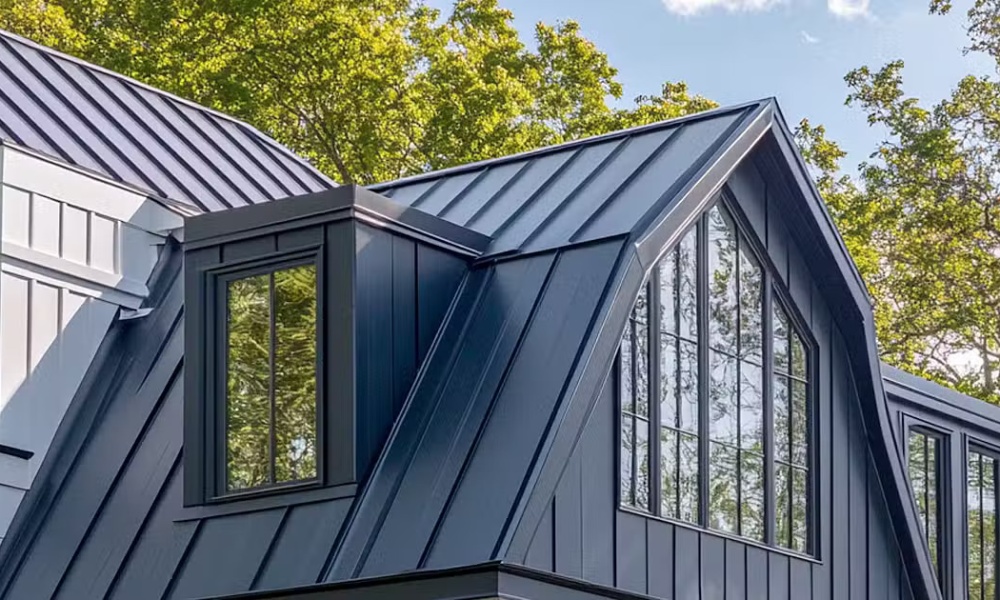
Advanced contractors use digital templating and CAD to design precise lead layouts for complex roof geometries. Sheets are pre-cut to exact patterns before delivery, reducing waste and installation errors.
Thermal Movement Modeling
Lead expands significantly with temperature changes. Contractors calculate expansion joints and cleat spacing to prevent buckling or cracking, especially on large roofs or exposed elevations.
Patination, Balancin,g, and Matching
Lead patina evolves from shiny silver to matte grey patina over the years. When repairing or extending older roofing, contractors may pre-paint new sheets, apply controlled weathering, or select pigmented finishes to blend with aged sections.
Real-World Case Studies of Lead Roofing Projects
Ecclesiastical Church Roof Restoration
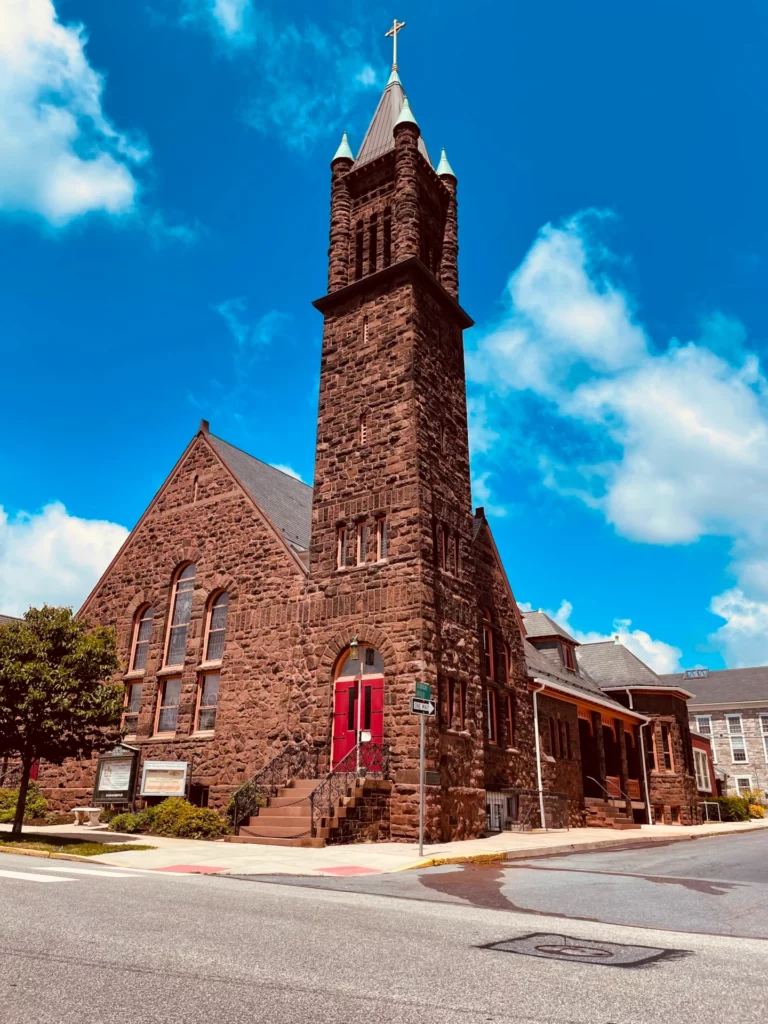
A 13th-century parish church required new lead flashings and valleys. Expert contractors carefully cut Code 3 lead, pre-patinated it with a sulphur solution, and mechanically fixed it using hidden stainless fasteners. The result preserved the building’s aesthetic while eliminating leaks.
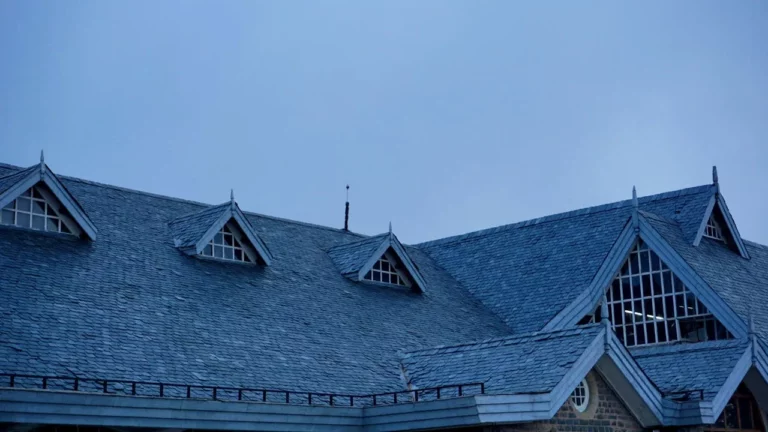
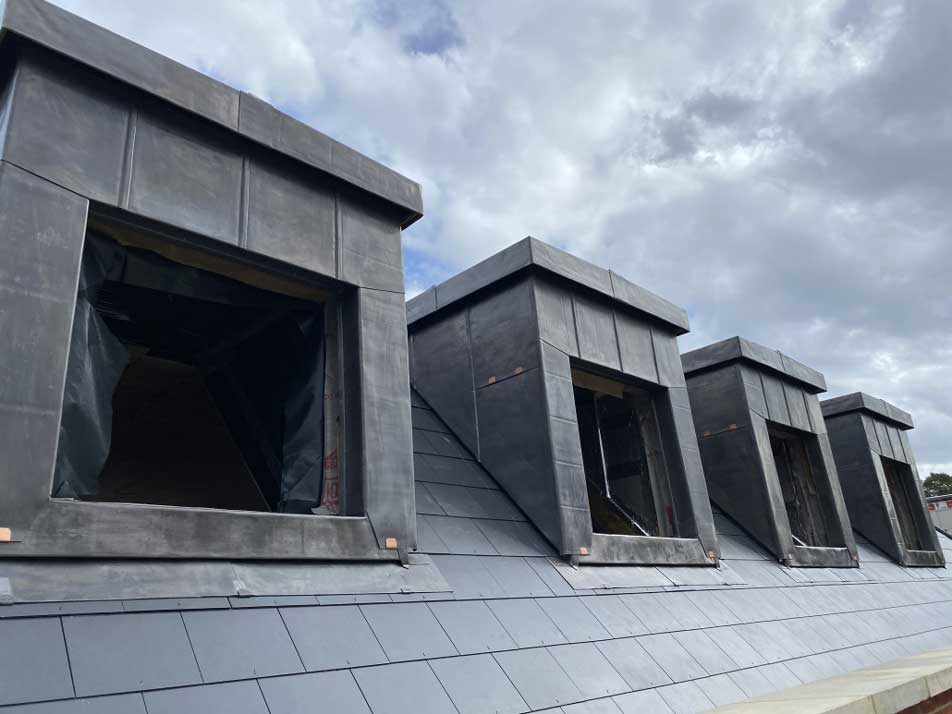
Insert image of lead dormer roofing on the listed building
Dormer and Soffit Overhaul on Grade II House
On a protected building, lead was removed, old iron fixings replaced, and new BSEN 12588 alloy installed for dormers and gutter linings. Patterning allowed elegant water deflection, resetting the roof’s heritage detailing.
Custom Lead Standing-Seam Pavilion
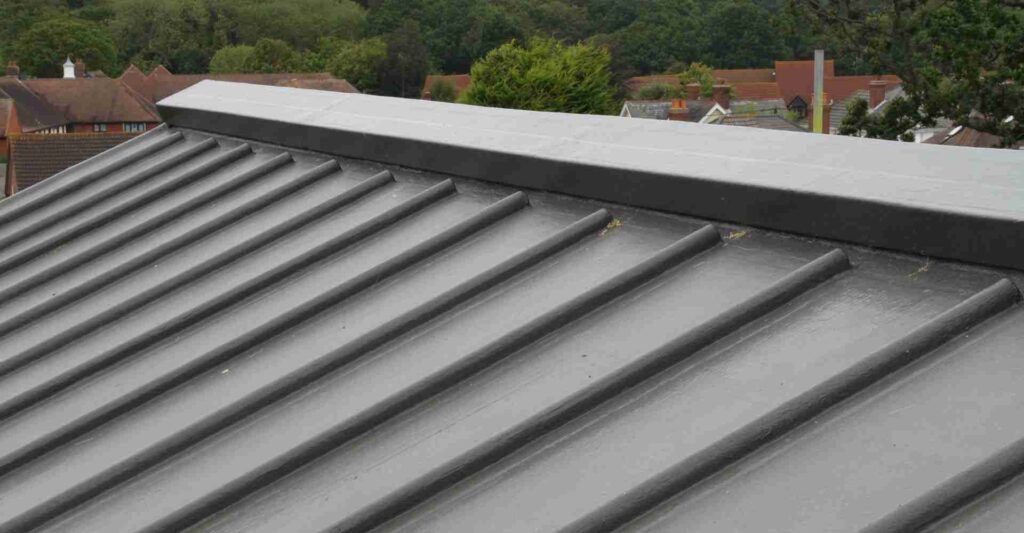
A public pavilion in a park used standing-seam lead panels on a curved roof. Contractors fabricated double-locked seams and used CAD-derived sheet layouts. The result combined traditional material with modern geometry.
Parapet Cap and Valley Leadwork
A commercial refurbishment featured new parapet cappings—lead twin sheet locks for waterproofing and antimonial alloy for wear resistance. Valley gutters were double-hemmed for rigidity and aesthetics.
Lantern Roof on Contemporary Extension
A bespoke home extension included a lead-clad lantern roof. Contractors interfaced lead evaporative flanges with glazing seals, sealing cleanly without adhesives, demonstrating high craftsmanship on modern works.
Benefits Provided by Professional Lead Roofing Contractors
Longevity and Durability
Lead roofs can last over 200 years when executed properly. Its natural corrosion resistance (especially patinated) and flexibility reduce the need for replacements.
Perfect for Complex Geometries
Lead adapts easily to curves, hips, ridges, and penetrations. It’s ideal for ornate or curved roof structures requiring seamless coverage and intricate detailing.
Conservation and Aesthetic Harmony
Lead’s gradual patination ensures new repairs blend with aged sections. Preservation of historic and architectural appearance is assured when contractors with conservation experience are chosen.
Sustainability and Recyclability
Lead is fully recyclable. Planning uses often involve reclaimed lead with PBS licenses. Against environmental pressures, lead roofing remains a sustainable, reusable material.
Weather Resistance and Water Tightness
When properly detailed and fixed, lead roofs provide absolute water protection, especially in areas prone to wind-driven rain or snow. Workmanship determines success.
Use Cases and Problem-Solving Through Lead Roofing
Heritage Reinstatement Projects
Lead is often the original material used. Skilled roofing restores the original appearance while managing modern waterproofing and thermal interventions.
Complex Architectural Roof Forms
For curved roofs, lanterns, turrets, and cupolas, lead can be formed onsite to match unique dimensions, providing coverage that modern rigid panels cannot.
Flat Roofs with Valleys and Penetrations
Lead mitigates ponding and directs water through valleys and guttering due to its malleability and surface tension ideal for low pitches.
Long-Life Commercial or Civic Buildings
Lead’s lifespan and reduced maintenance align with long-term public investment, less institutional upkeep, and fewer restorations.
Eco-Friendly Design Initiatives
With green rating systems, lead qualifies as a long-life, recyclable material. Used in combination with insulation upgrades, it’s a high-performance roofing strategy.
Frequently Asked Questions
Q1: How long does a lead roof last?
A properly installed lead roof can last over two centuries. Periodic maintenance and weathering allow it to maintain integrity far beyond conventional materials.
Q2: Is lead safe for modern buildings?
Yes—lead used in roofing is not hazardous once patinated. Contractors take precautions handling and disposing of raw lead, but installed lead poses no risk to dwellers.
Q3: How do I choose a qualified lead roofing contractor?
Look for contractors registered with bodies like The Lead Contractors Association, with experience in heritage sites and certification showing knowledge in BSEN lead grades, welding, and patination.