White Asphalt Roof – Complete Guide to Cool, Energy‑Efficient Roofing
Choosing a white asphalt roof means embracing an energy-efficient, climate-smart solution that enhances comfort, longevity, and environmental sustainability. Beyond aesthetic appeal, these roofs wield powerful thermal advantages, but achieving optimal results relies on understanding material performance, installation best practices, and real-world outcomes. This in-depth guide explores everything from cool-roof science to case studies, benefits, use cases, and FAQs.
How White Asphalt Roofing Works
Reflectivity and Thermal Emittance
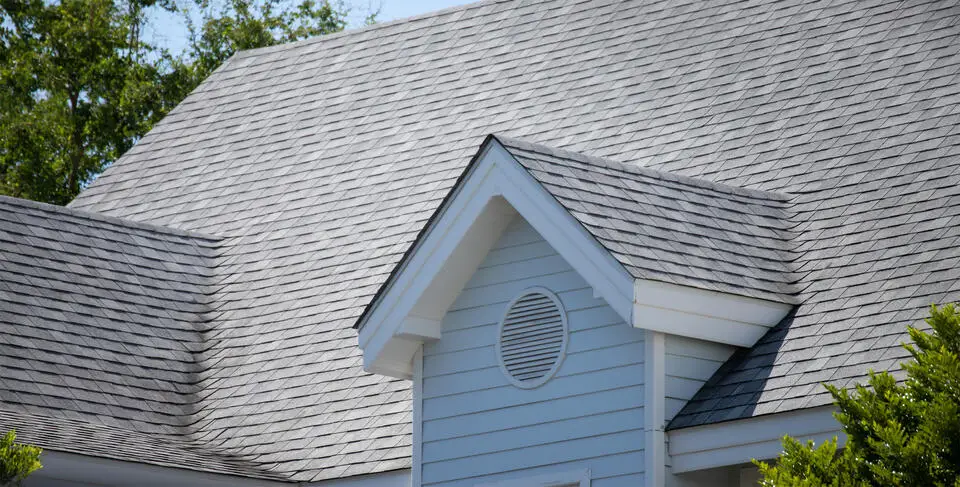
White asphalt shingles or coatings reflect 60–90% of solar radiation vastly more than standard dark shingles, which absorb heat and radiate it internally. This reflectivity keeps roof surfaces up to 80°F cooler than conventional roofs, greatly easing the burden on HVAC systems during heatwaves.
Cool Roof Definition and Materials
“Cool roofs” are characterized by two metrics: solar reflectance (albedo) and thermal emittance. White asphalt roofs exhibit high scores in both categories. Popular systems include white TPO, PVC, coated BUR, and specially formulated white asphalt shingles or coatings. Coatings like elastomeric white silicones offer seamless thermal protection.
Best Installation and Material Practices
Specialized White Asphalt Shingles
Manufacturers now offer white-tinted asphalt shingles (e.g., Owens Corning Shasta White) designed for reflectivity. While the base is asphalt and fiberglass, the granule coating reflects infrared heat. These shingles are intended for full-pitch roofs and offer both aesthetics and performance.
Reflective Roof Coatings
Applying elastomeric white coatings over existing asphalt or BUR surfaces can rejuvenate aging roofs. These coatings seal leaks, reflect UV rays, and extend service life by decades, but care must be taken not to trap moisture under shingles.
Built-Up and Modified Bitumen Hybrids
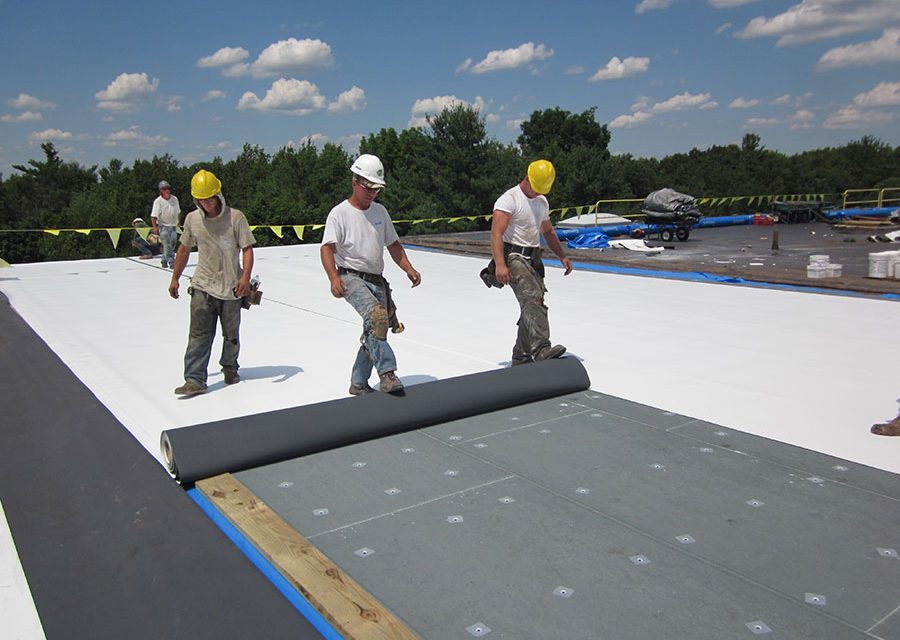
Low-slope commercial roofs often use multi-ply asphalt BUR or mod-BIT systems topped with reflective white coatings. This provides redundancy, impact resistance, and maximum reflectivity.
Real-World White Asphalt Roofing Applications
Example 1: Commercial BUR with White Coating
A strip-mall installation utilized a hybrid built-up asphalt system, finished with white reflective coating. Post-installation data revealed a 15% reduction in air conditioning demand and a 30°F drop in roof-surface temperature.
Example 2: White Shasta Asphalt Shingle Home
A suburban house opted for Owens Corning Shasta White shingles. The owner reported a cooler attic by 20°F on summer days, with lower monthly cooling bills despite local summer highs.
Example 3: Restored Aging Roof with Elastomeric Coating
A weather-beaten roof was coated with a TPO/EL coating, restoring reflectivity and sealing minor fissures. The building’s energy use dropped by 12%, and no leaks occurred during the recent winter.
Example 4: Urban School with White Roof
A city school painted its flat BUR roof white under a green-initiative. Summer temperatures were 15°F lower, classrooms stayed comfortable even in peak heat, and HVAC cycles decreased .
Example 5: Light-Colored Asphalt Shingles on Rural Home
In a temperate zone, a homeowner used light-grey/white asphalt shingles. The shingles remained cooler, reduced attic humid heat, and helped prevent mold, addressing known moisture issues.
Benefits of White Asphalt Roofing
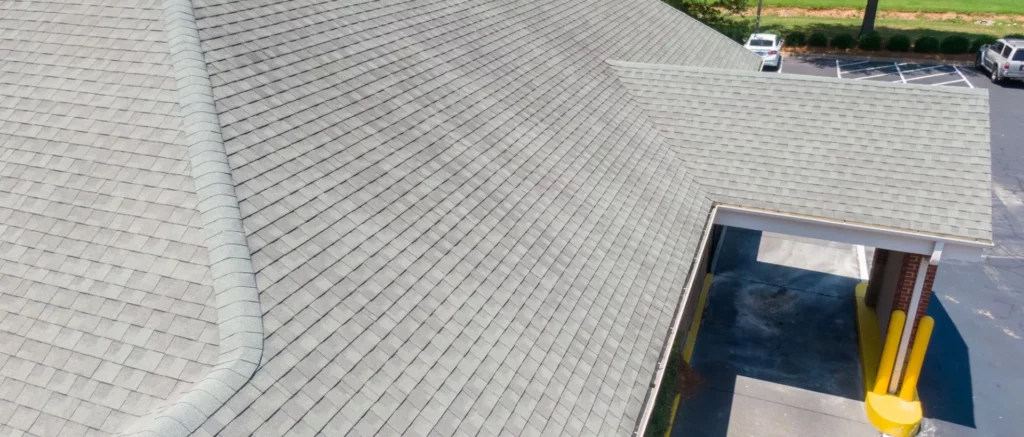
Lower Energy Costs
Roof reflectivity significantly reduces heat absorption and air-conditioning loads. U.S. Dept. of Energy data show cool roofs can average over 15% in summer HVAC savings.
Durability and Lifespan Extension
Reflecting sunlight lessens thermal stress and UV exposure, which often degrade shingles. This protective effect slows aging and reduces cracking or granule loss.
Combating Urban Heat Island
White roofs help reflect warmth at the city scale, lowering ambient air by 1–2 °C and mitigating heat-island impact.
Environmental Advantages
Reduced cooling demand lowers grid stress and peak fossil fuel use. High reflectance reduces greenhouse gas emissions from HVAC electricity production.
Comfort All Year Round
Indoor environments stay cool on summer days, and melting snow isn’t hindered in winter. White roofs don’t risk heat loss in winter since the solar angle is low, ensuring occupant comfort year-round.d
Use Cases: When White Asphalt Roofing Makes Sense
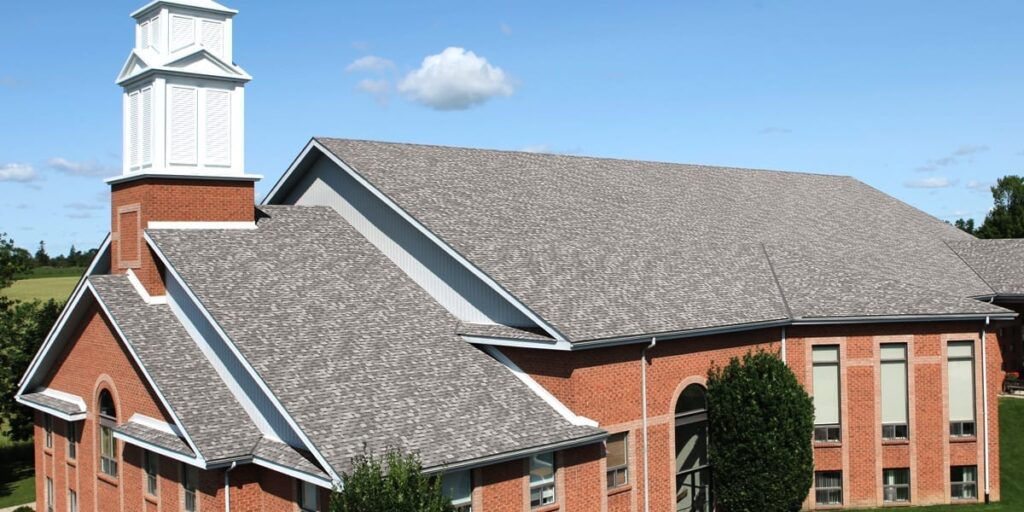
Hot and Sunny Climates
White asphalt roofs are ideal in areas where cooling is a major cost driver. They substantially cool rooftops and reduce HVAC workload.
Flat Commercial Roofs
Built-up flat facilities like warehouses and schools benefit from white coatings that seal, insulate, and dramatically reduce rooftop heat.
Urban Heat Mitigation Initiatives
City-wide cool-roof programs (like those in NYC and LA) shthat ow large-scale adoption of white roofs can lower overall urban temperatures.
Moisture-Prone Buildings
White roofs reduce attic heat, limiting condensation, a common issue in high-humidity climates.
Aging Roof Restoration
Applying reflective coatings to older asphalt systems offers a cost-effective alternative to total replacement, extending functional life effectively.
FAQs
Q1: Will a white asphalt roof increase heating costs in winter?
No. Studies show white roofs do not significantly affect winter heating because the sun’s lower angle leads to minimal heat loss, while insulation maintains warmth.
Q2: How often should a white roof be cleaned?
Yearly cleaning is recommended to remove dirt and maintain reflective performance. Without maintenance, reflectivity can degrade, reducing energy savings.
Q3: Can I paint my existing shingle roof white?
Regular paint is not suitable. Only specialized elastomeric reflective coatings offer proper reflectivity, UV protection, waterproofing, and elasticity needed for roof applications