Replacing Asphalt Roof Shingles – Ultimate Guide to Shingle Roof Replacement
Replacing an asphalt shingle roof involves more than just installing new materials—it’s a strategic investment in longevity, weather protection, efficiency, and curb appeal. When homeowners search for replacing a shingle asphalt roof shingle, they’re seeking reliable guidance on materials, techniques, and outcomes. This guide dives deep into replacement essentials: planning, material choices, technological advantages, real-world project examples, core benefits, practical situations, and key FAQs.
Why Replace vs. Repair?
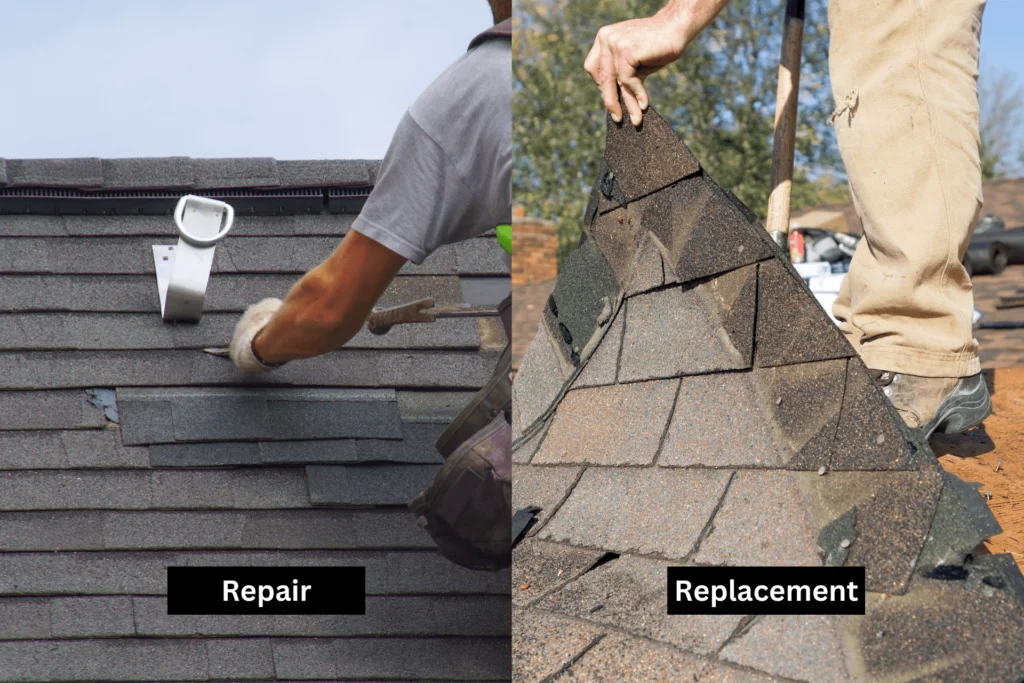
Replacing shingles entirely is often the smarter choice when multiple signs point to systemic wear:
-
A missing shingle coverage of ≥ 25%
-
Widespread curling, blistering, or granule loss
-
Frequent leaks or flashing failures
-
Age beyond 20–25 years
Repair patches offer temporary fixes, but full replacement addresses root damage to decking, underlayment, and ventilation, ensuring sustained roof integrity.
Material Selection and Roofing Essentials
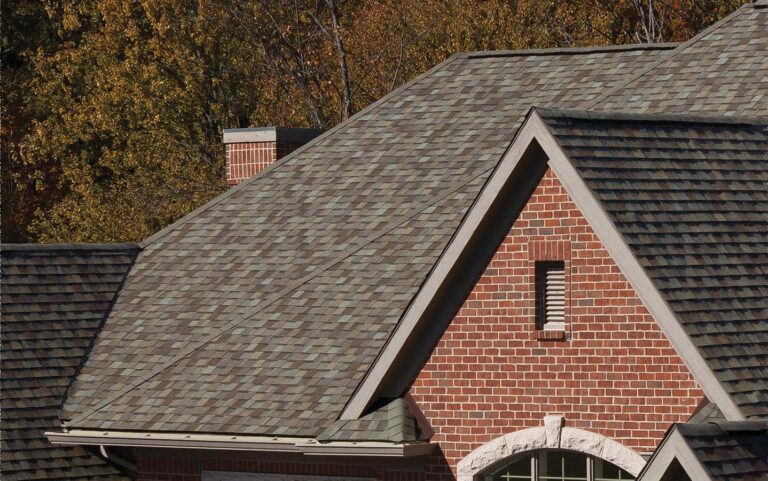
Insert image of architectural asphalt shingles
Architectural vs. 3-Tab Shingles
Three-tab asphalt shingles are economical but lack longevity, lasting 15–20 years. Architectural, or laminated, shingles cost more but endure 25–40 years, include wind warranties of 110 mph+, and feature depth that improves curb appearance.
Shingles come in brand-specific technologies like GAF’s StainGuard + algae resistance and Owens Corning’s TruDefinition color variations offering long-term aesthetic and performance gains.
Underlayment and Starter Valley Setup
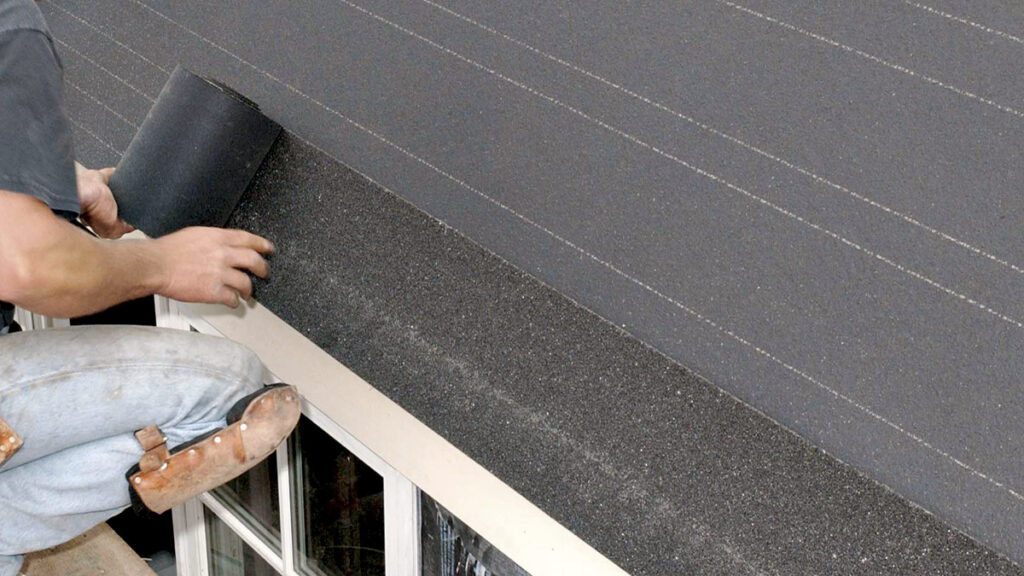
Below shingles, synthetic underlayment is crucial it resists tearing, blocks moisture, and supports shingles even under pressure. Self-adhering ice & water barriers prevent leaks at valleys and eaves. Starter strips reduce edge wind uplift and maintain crisp roof lines.
Proper underlayment installation lapping six inches, fastening with cap nails, sealing seams is as critical as shingle quality for durability.
Technology and Installation Techniques
Enhanced Wind Resistance
Modern shingles feature sealant strips activated by solar heat. Adhesives, combined with staggered starter courses and reinforced hip‑ridge cap shingles, offer strong resistance to wind damage.
Roofers also install metal drip edges and ridge vents to protect edges and improve attic ventilation, reducing heat and moisture issues.
Algae-Resistant Finishes
Algae-resistant shingles integrate copper or zinc granules, thwarting staining and extending visual lifespan, especially in humid or shady regions.
Reflective Cool Roof Variants
Cool asphalt shingles reflect infrared light, lowering attic temperatures by 10–18%. Up to 10% reduction in summer energy costs is a common benefit in warm climates.
Real-World Replacement Examples
Full Tear-Off Over 2010 3-Tab Roof
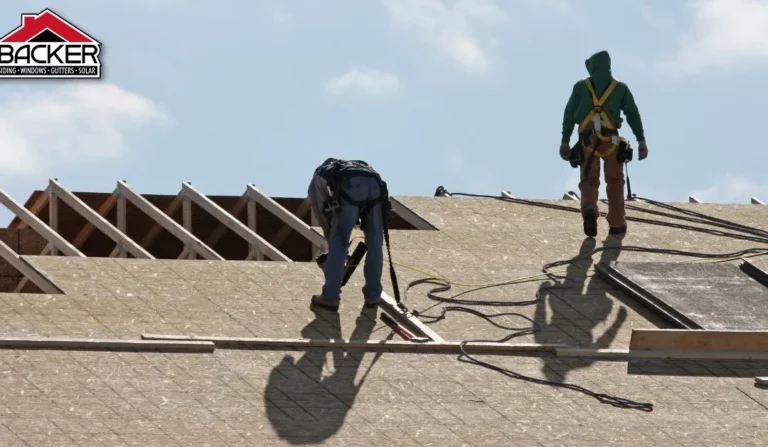
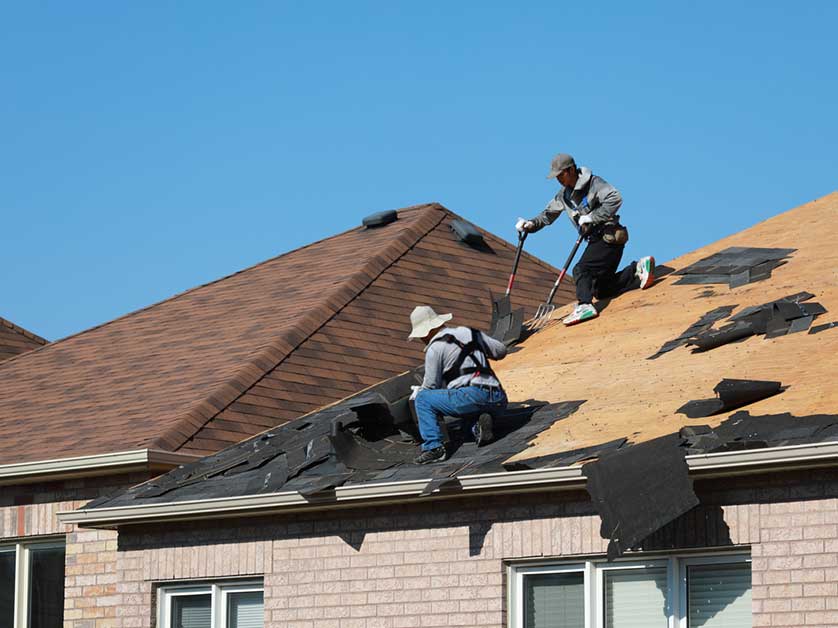
In the Pacific Northwest, a homeowner replaced failing 3-tab shingles with architectural laminate. Roofers removed all shingles, cleaned decking, applied synthetic underlayment, starter strips, and wind‑rated shingles with ridge venting. Result: zero leaks in two windstorms and improved attic temperature control.
Cool Shingle Retrofit in Urban Heat Zone
A suburban home suffering high cooling bills installed cool asphalt shingles during re-roof. Paired with reflective attic foil underlayment, attic temps dropped 15°F and AC usage decreased visibly over summer.
Wind-Enhanced Asphalt Roof in Tornado Zone
In the Midwest tornado corridor, homeowners used wind-rated GAF shingles with enhanced nailing patterns, full-coverage ice barrier, and reinforced caps. The local insurance company credited lower premiums due to wind protection measures.
Algae-Control Shingles in a Moist Climate
Along a tree-covered property, traditional shingles showed green staining within five years. Replacement with algae-resistant shingles eliminated staining for over 8 years and retained visual appeal.
Flashing and Valley Reroute Without Full Replacement
On a mid-century ranch, plumbers rerouted HVAC flashings, causing water problems. Rather than full replacement, professionals replaced underlayment, installed new flashing, and reset shingles, avoiding full-scale disruption.
Key Benefits of Professional Replacement
-
Comprehensive Protection – Stops leaks and restores structural integrity.
-
Longevity & Warranty – New shingles with full bifurcated warranties reduce major issues for decades.
-
Energy Efficiency – Cool roof materials reduce cooling demands and save costs.
-
Aesthetic Uplift – Architectural shingle styles and colors add resale value.
-
Insurance Benefits – Wind or algae-resistant upgrades can reduce premiums.
Use Cases and Situational Solutions
-
Aging Roofs (20+ years) – Advanced shingles extend service decades.
-
Storm Damage Recovery – Replacement fixes hail, wind, and granule loss with superior resiliency.
-
Home Sales Prep – New roof inspection-ready and attractive for listings.
-
Hot Climate Optimization – Cool roofs protect attic and decking, improving comfort and lowering bills.
-
Eco-Aware Retrofitting – Tear-off materials are recycled, and reflective shingles reduce the carbon footprint.
Frequently Asked Questions
Q1: How long does it take to replace an asphalt shingle roof?
For a 2,200 sq ft average house, full replacement takes 2–4 days, depending on weather, removal of debris, inspection, and vent or flashing adjustments.
Q2: Can I install new shingles over old ones?
Roofer codes allow one layer overlay. However, tear-off is preferred to assess decking condition. Multiple layers lead to premature curling and repair complications.
Q3: What is the typical cost of a shingle replacement?
Prices vary—architectural shingle replacement costs $3.50–$7.50/sq ft installed, depending on tear-off, pitch, ventilation, and material upgrades.