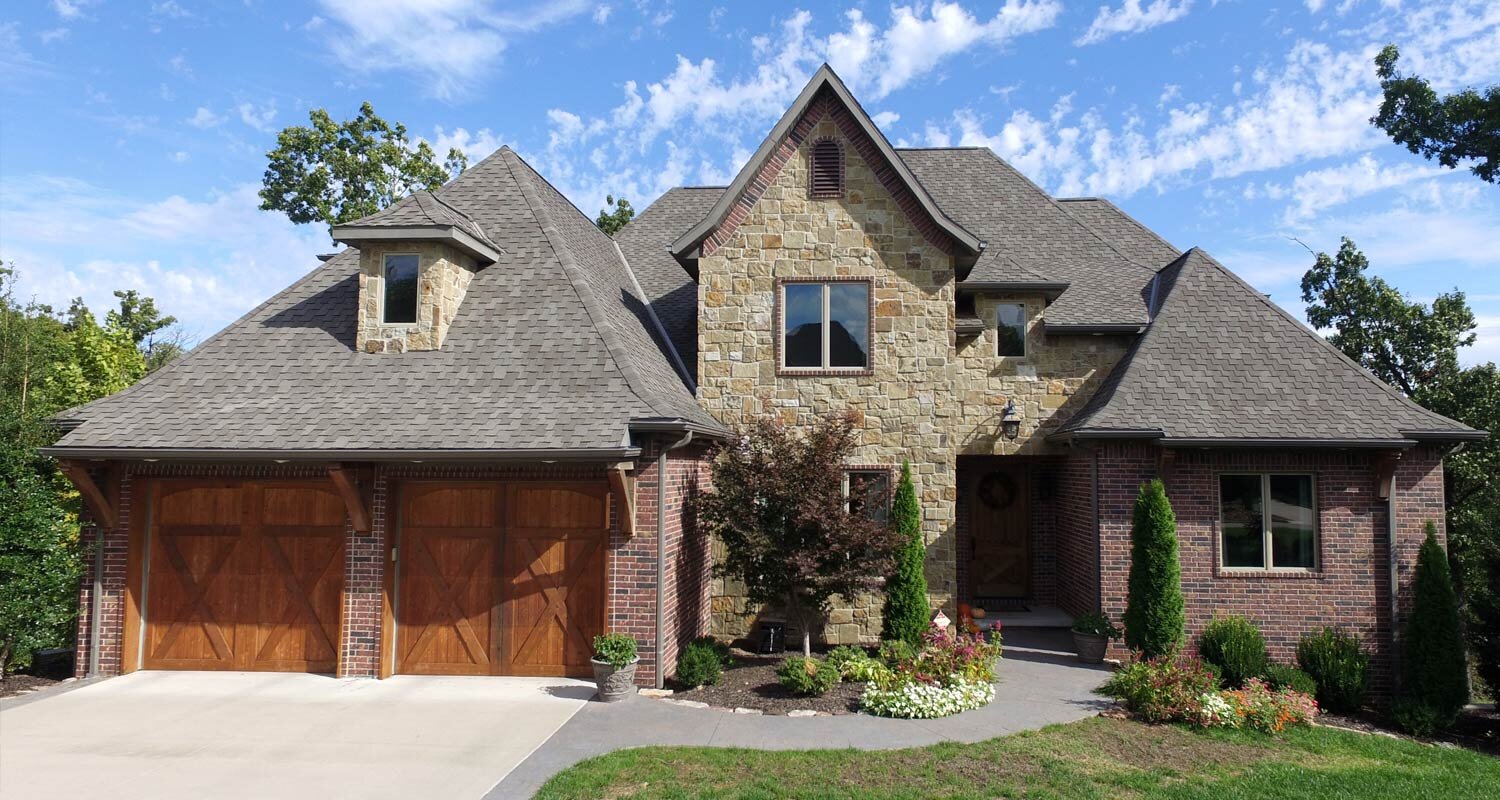
Replace Asphalt Shingle Roof: Ultimate Guide to Lifespan, Process, and Best Practices
Replacing an asphalt shingle roof is a significant home maintenance project that requires careful planning, execution, and quality materials. Whether you’re dealing with age-related wear, storm damage, or simply upgrading to a better aesthetic, this guide provides in-depth information, step-by-step insights, and real-world examples to ensure your roofing project succeeds. You’ll learn about lifespan expectations, preparation steps, modern techniques, and how technology improves durability while saving time and cost.
Understanding Asphalt Shingle Roof Lifespan and Indicators for Replacement
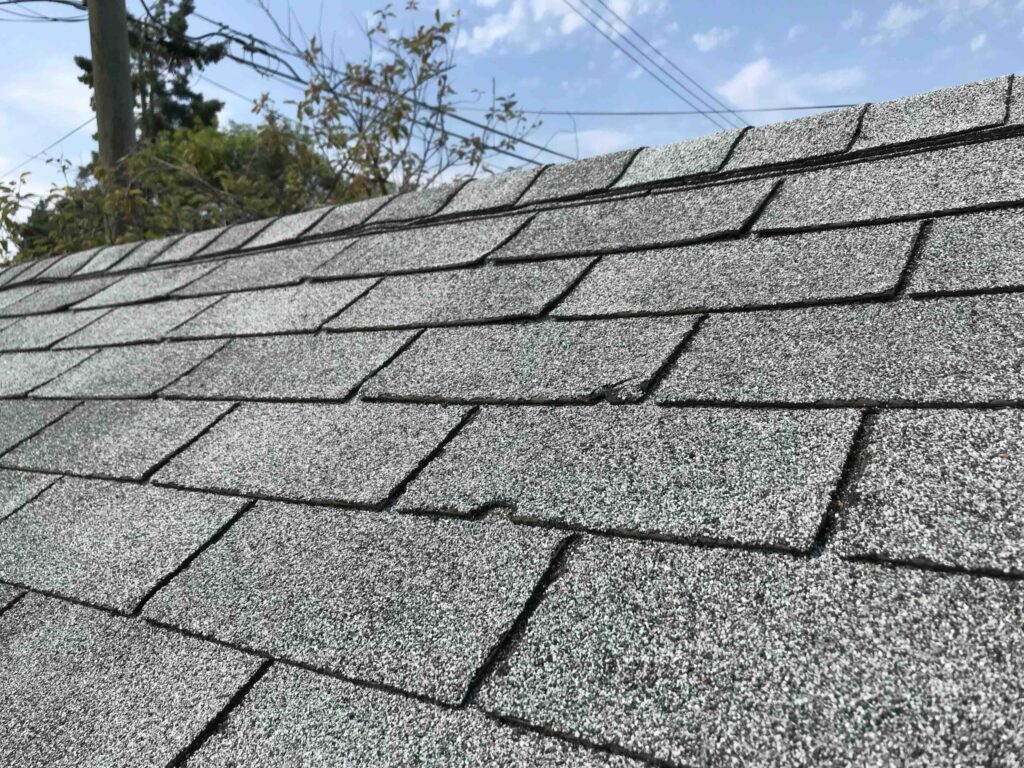
Asphalt shingles typically last between 15 and 30 years, depending on climate conditions, installation quality, and maintenance routines. Factors such as wind, UV exposure, temperature variations, and poor attic ventilation can accelerate wear and tear. Detecting issues early, like curling, cracking, granule loss, or missing shingles, allows you to plan for replacement before leaks or structural damage occur.
Signs That Indicate Replacement Is Needed
-
Visible Granule Loss: When the roof surface appears smooth and shiny, it means much of the protective granules have washed away.
-
Curling or Buckling Shingles: These problems often result from thermal cycling or installation errors. If left unaddressed, they can lead to water infiltration.
-
Frequent Leaks or Water Stains: Persistent moisture in attic or ceiling areas usually signals underlying roofing failure.
-
Age and Warranty Expiry: Even without visible damage, a roof reaching the end of its 20- to 25-year warranty is a prime candidate for replacement.
Understanding these signs helps homeowners prioritize replacement before minor issues escalate into costly structural damage.
Preparation Steps to Replace an Asphalt Shingle Roof
Before starting work, proper preparation is essential to ensure a smooth and safe roofing project. Follow these recommendations:
-
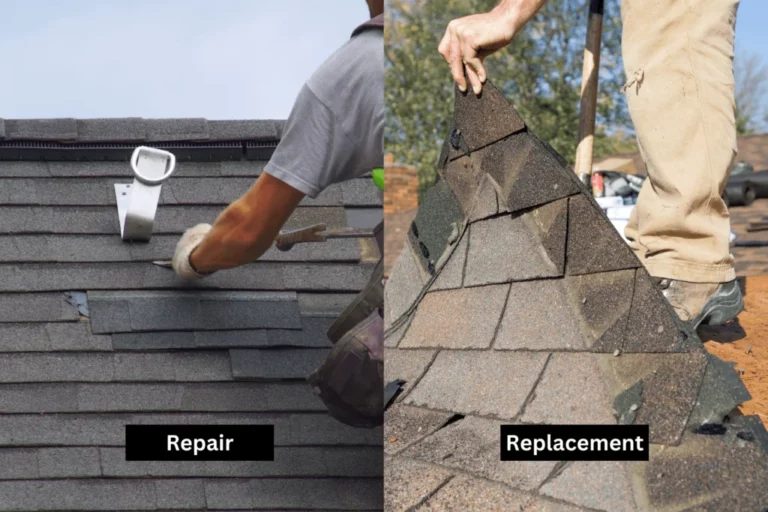
Inspection and Assessment: Hire a licensed inspector or roofing contractor to determine if a full replacement is needed or if spot repairs may suffice. Document areas requiring attention.
-
Permits and Regulations: Check local building codes—some jurisdictions require permits for re-roofing, specify underlayment materials, and mandate ventilation standards.
-
Material Selection: Choose quality shingles (3-tab, architectural, or premium laminated varieties), underlayment, drip edges, flashing materials, and ventilation accessories.
-
Budgeting and Timeline: Factor in labor, materials, disposal of old shingles, and contingencies like structural repairs.
-
Site Prep: Clear vehicles and outdoor items, set up dust nets and protection for surrounding landscaping, and plan waste dumpster placement for tear-off debris.
Well-organized preparation lays the foundation for a safer, faster, and more cost-effective re-roofing process.
Asphalt Shingle Replacement Process: A Step-by-Step Guide
Removing and replacing an asphalt shingle roof involves several phased tasks. Here’s an overview:
Removal and Tear-Off
-
Begin by stripping old shingles down to the roof deck, using a roofing bar or a tear-off shovel.
-
Dispose of materials responsibly using dumpsters; recycling asphalt shingles is often possible.
-
Inspect the decking for rot or damage. Replace or reinforce deteriorated areas.
-
Clean the roof surface thoroughly—dust and debris can compromise underlayment integrity.
Installing Underlayment and Ventilation
-
Lay synthetic or felt underlayment in overlapping strips from eaves to ridge.
-
Ensure edges and valleys are properly sealed using ice-and-water shields.
-
Install ridge vents, soffit vents, and other ventilation components to prevent moisture buildup and extend shingle life.
Shingle Installation and Flashing Work
-
Begin shingling from the bottom edge upwards, aligning shingles with a drip edge.
-
Fasten shingles using appropriate nails at recommended locations.
-
Apply flashing around chimneys, skylights, and valleys to direct water away from vulnerable areas.
-
Finish with ridge cap shingles and ensure clean nail coverage to prevent leaks.
Quality Inspection and Finishing
-
Perform a detailed inspection for nail back-outs, lifted edges, or missing shingles.
-
Check that all flashing is flush and no gaps exist.
-
Clean up job site debris and ensure roofing nails are removed to protect the yard and property.
Proper execution of each step ensures long-term performance, durability, and weather resistance of your new asphalt shingle roof.
Benefits of Modern Roofing Technology
Roofing technology has advanced significantly. Leveraging these improvements enhances durability, energy efficiency, and overall value.
Advanced Shingle Materials
-
Laminated Shingles: Multiple layers provide a dimensional, architectural effect, wind resistance up to 130 mph, and often carry extended warranties of 30–50 years.
-
Cool Roof Shingles: Engineered with reflective granules, they reduce heat absorption, lower attic and home temperatures, and can reduce cooling costs significantly.
-
Fiberglass Base vs. Organic: Fiberglass-reinforced shingles are lighter, more fire-resistant, and dimensionally stable compared to older organic mat-based shingles.
Synthetic Underlayment and Enhanced Weather Barriers
-
Synthetic Underlayments: These are lighter, more tear-resistant, and offer better UV stability compared to traditional asphalt-felt options.
-
Ice & Water Shields: Self-adhering membranes provide waterproofing protection at eaves, valleys, and plumbing vents.
-
Ventilation Control: Modern soffit and ridge vent systems optimize attic airflow, reducing moisture and prolonging roof life.
Improved Fasteners and Installation Tools
-
High-Performance Nails: Corrosion-resistant and specifically sized for shingle thickness, reducing blow-off risk.
-
Roofing Air Guns & Pneumatic Tools: Enable faster installation, consistent fastening, and lower labor time.
-
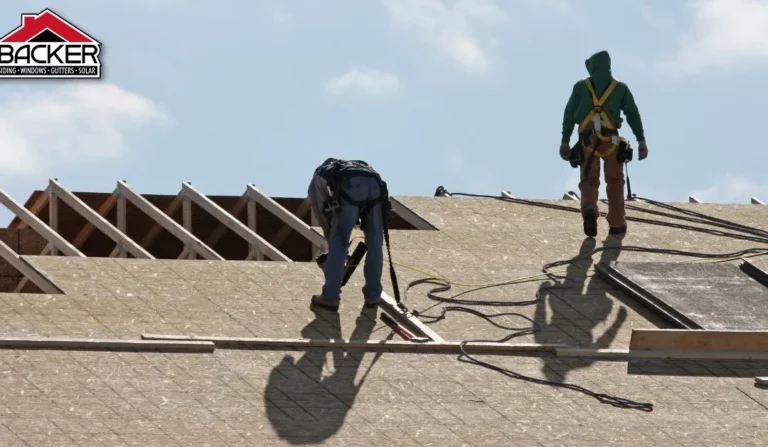
Safety Innovations: Harness systems, anchor points, and advanced scaffolding systems enhance worker safety and project efficiency.
Embracing modern technology ensures your roof lasts longer, performs better, and offers lower long-term maintenance costs.
Real‑World Product & Use‑Case Examples
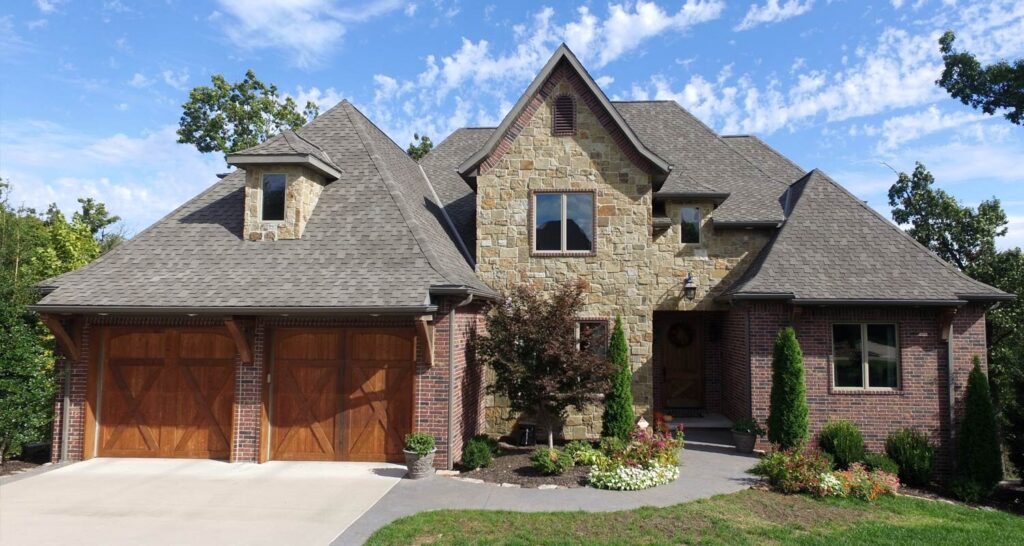
1. Tamko Heritage Vintage Shingle
The Tamko Heritage Vintage is an architectural-grade asphalt shingle offering a classic, multi-dimensional look. It includes:
-
Dual-reflective granules for improved wind resistance.
-
Warranty coverage up to 40 years.
-
UL 2218 Class 4 impact rating.
Homeowners benefit from enhanced durability, stylish curb appeal, and strong warranties ideal in regions prone to hail or strong wind events.
2. GAF Timberline HDZ
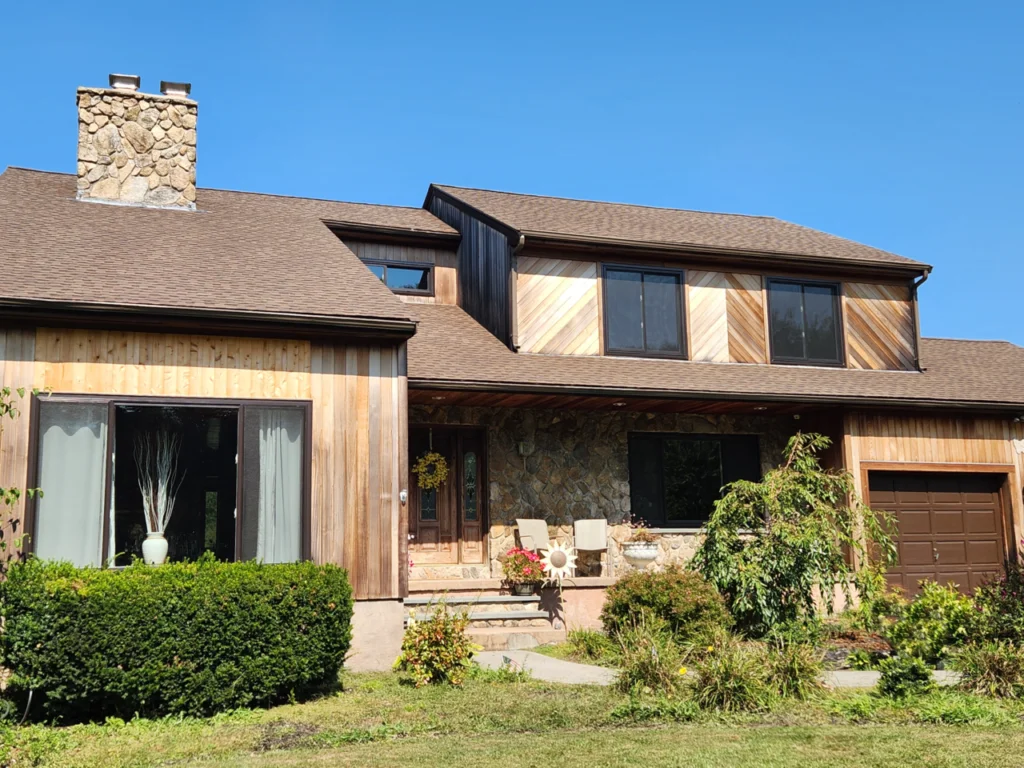
The Timberline HDZ is one of the most widely used premium laminated shingles. It features:
-
LayerLock™ sealant adhesive technology for superior wind uplift protection (up to 130 mph).
-
StainGuard™ algae protection.
-
Wide exposure for faster installation.
It is well-suited for both new construction and replacement projects in diverse climates, offering high performance without breaking the bank.
3. Owens Corning Duration Cool Shingles
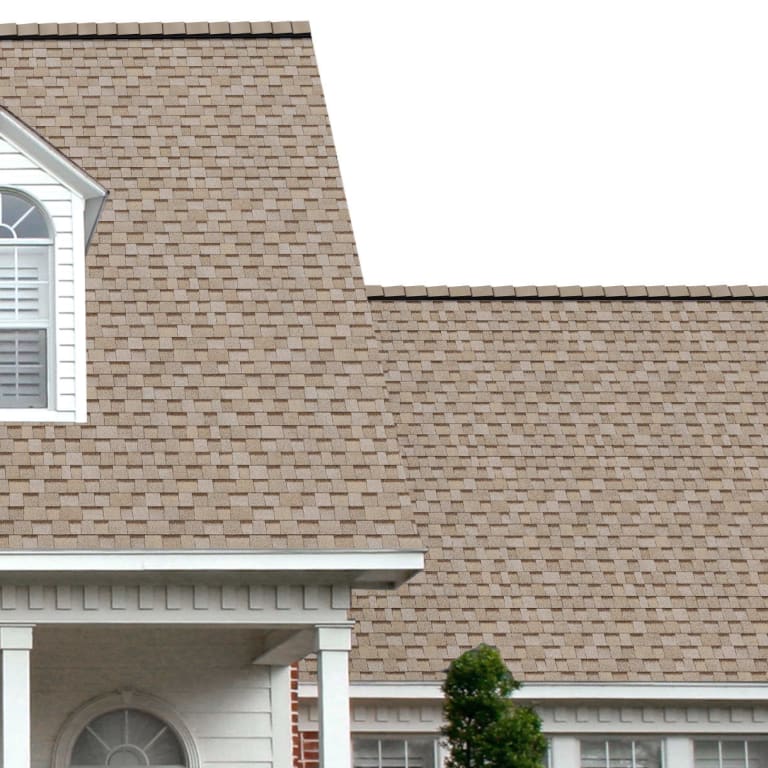
A laminated asphalt shingle designed with an ENERGY STAR® cool roof rating, this product:
-
Reflects sunlight to reduce attic heat.
-
Includes TruDefinition® color technology for richer hues.
-
Offers Class 4 hail resistance.
This roof is ideal for homeowners seeking energy savings in warm climates and who care about aesthetic quality and reliability.
4. CertainTeed Presidential Shake
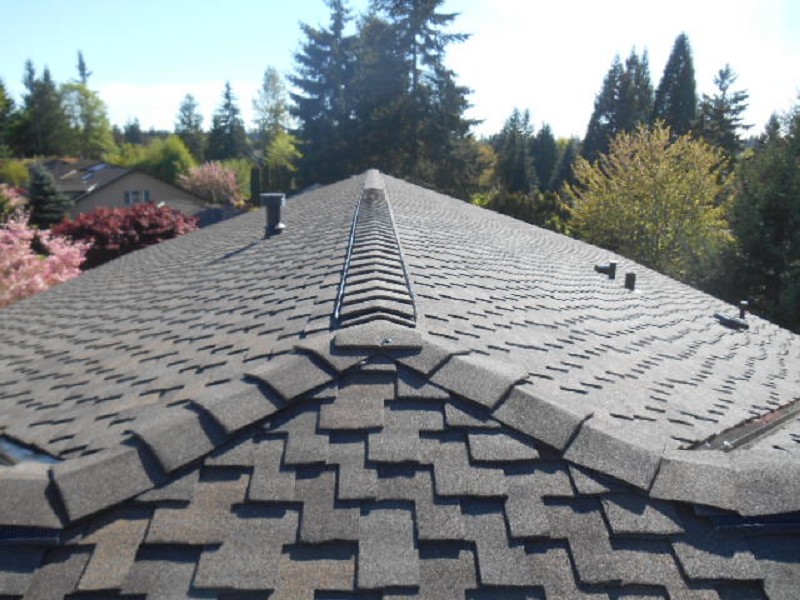
Resembling cedar shake, but made from thick laminated asphalt, these shingles:
-
Mimic authentic wood look without the drawbacks of shake rot or splitting.
-
Are Class 4 impacts approved?.
-
Carry a lifetime limited warranty, including algae and fade resistance.
It’s an excellent choice for upscale home designs that demand longevity and a luxurious appearance.
5. Atlas Pinnacle Pristine
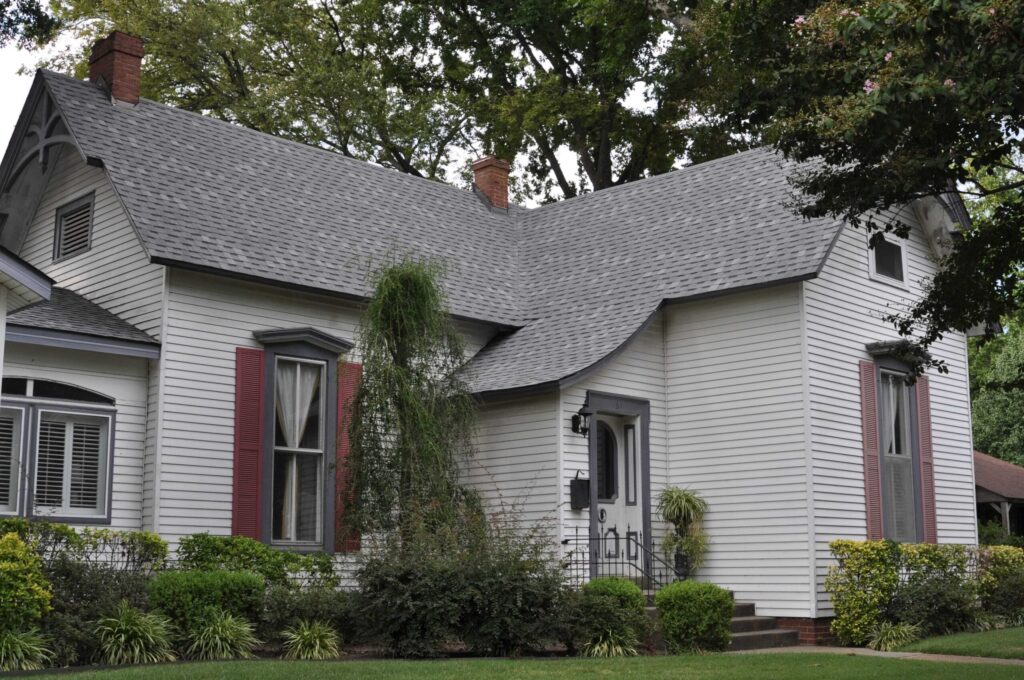
These shingles include Scotchgard™ protector, which:
-
Reduces unsightly algae streaks.
-
Maintain color integrity over time.
-
Offer UL Class 4 impact rating and wind resistance up to 130 mph.
They are especially relevant in humid or shaded regions where algae growth is common.
Real‑Life Use Cases: What Problems Roof Replacement Solves
Understanding why replacing asphalt shingle roofs matters helps justify the investment. Here are real-world scenarios:
1. Fixing Chronic Attic Leaks due to Aged Shingles
A homeowner continually notices ceiling stains after rain. Upon inspection, shingles are brittle, cracked, and missing granules. A full replacement with laminated shingles and proper underlayment solves water intrusion once and for all.
2. Increasing Energy Efficiency in Hot Climates
A family in a tropical region struggles with costly cooling bills. After installing cool reflective shingles with improved attic ventilation, their home’s temperature drops, and energy savings become evident during summer months.
3. Storm Damage Recovery
Following a hailstorm, a roof showcases bruised and punctured asphalt shingles. Rather than repeated repairs, homeowners choose a high-impact rated shingle system like Owens Corning Duration for long-term protection against future storms.
4. Aesthetic & Resale Value Upgrade
An aging roof dates a home. Replacing standard 3-tab shingles with premium architectural options enhances the visual appeal, improving curb appeal and increasing resale value significantly.
5. Mitigating Mold & Moisture in Poorly Ventilated Attics
Improper ventilation often leads to moisture buildup and mold growth. A full roof replacement combined with ridge and soffit vents improves airflow, reduces moisture problems, and enhances structural integrity.
Each scenario highlights how proactive roof replacement resolves long-term issues, improves home safety, and enhances energy efficiency.
Key Benefits of Replacing an Asphalt Shingle Roof
Enhanced Weather Protection
A new roof system with modern components offers improved wind resistance, waterproofing, and hail protection. This strengthens defenses against severe weather events.
Extended Lifespan and Warranty Coverage
Switching to high-quality laminated shingles and synthetic underlayment can extend your roof’s service life to 30–50 years, supported by manufacturer warranties and peace of mind.
Lower Energy Costs
Cool roof shingles and better attic ventilation reduce heat absorption, often lowering air conditioning costs by 10–20%, especially in hot climates.
Improved Curb Appeal & Property Value
Modern, premium shingles boost a home’s exterior appearance, enhancing marketability and justifying higher selling prices.
Reduced Maintenance & Leakage Risk
A full replacement eliminates multiple repair cycles, seals faulty flashing, and removes aged material, reducing the risk of costly leak repairs down the line.
Tips for Ensuring a Quality Replacement
-
Work with Licensed Contractors: Prioritize certified installers familiar with manufacturer specs and local building codes.
-
Inspect the Entire Roof System: Ensure components like flashing, underlayment, decking, ventilation, and drip edges are fully addressed.
-
Request Product Warranties: Confirm both material and labor warranties. Material warranties range from 25 years to lifetime; check if warranties are transferable.
-
Ventilation Matters: Adequate soffit-to-ridge airflow prevents thermal extremes and moisture buildup.
-
Plan Debris Handling: Old shingles can damage lawns and cars if not properly contained. Use tarps and dumpsters during removal.
Following these tips helps maximize the investment and performance benefits of your new roof.
Frequently Asked Questions
Q1: How long does it typically take to replace an asphalt shingle roof?
A: For an average-sized home (about 2,000 sq ft), the replacement process takes 2–4 days, including tear-off, decking repairs, underlayment installation, shingling, inspections, and cleanup. Factors like weather, complexity, and material choice may extend the timeline.
Q2: Can I install new shingles over existing ones (a re‑roof) instead of a full tear‑off?
A: While permitted by some manufacturers, installing new shingles over existing layers is generally discouraged. It shortens shingle lifespan, increases stress on decking, and voids many warranties. Most professionals recommend complete removal for best results.
Q3: Are cool roof shingles worth the extra cost?
A: Absolutely, especially in warm or sun-exposed climates. Cool roof shingles reflect more solar energy, reducing attic heat and lowering AC expenses. Over time, energy savings often offset the higher upfront cost, while boosting home comfort.
Final Thoughts
Replacing an asphalt shingle roof is a complex yet rewarding home improvement task. By understanding lifespan triggers, preparing thoroughly, using advanced materials, and working with experienced professionals, homeowners can achieve a durable, energy-efficient, and beautiful roofing system. The real-world examples demonstrate practical benefits, while the FAQs address common concerns, empowering you with knowledge to make informed decisions and protect your home for years to come