Best Commercial Metal Roofing Contractors Near Me 2025 Expert Guide
Searching for “commercial metal roofing contractors near me” isn’t just about finding someone close. Commercial projects demand precision, compliance with local codes, and experienced crews. Local contractors bring regional climate knowledge, supplier access, and quicker emergency response, critical for large-scale roof systems.
Commercial buildings differ significantly from homes. Flat or low-slope systems are common and need specialized installation like standing-seam, metal panels, or insulated metal systems. Proper installation depends heavily on contractor expertise.
What Defines a Great Commercial Metal Roofing Contractor
Commercial roofing requires skill beyond residential work. Contractors must understand thermodynamics, structural loads, and precise fastening systems. They also must provide detailed bidding documents, warranties, safety protocols, and code compliance strategies.
In addition, modern commercial roofing relies on project management tools. These help streamline communication with architects, generals, and building owners. Top contractors use digital documentation, on-site progress tracking, and regular inspections to maintain quality.
Advanced Technologies in Commercial Metal Roofing
Prefabrication & Factory-Made Panels
Modern systems allow components to be made off-site under controlled conditions. This boosts precision and cuts onsite labor. As a result, project timelines shorten, and errors drop significantly.
Drone Surveys & Laser Measurement
Drones and laser scanners capture roof geometry in detail. Contractors create accurate digital models, dramatically reducing guesswork on panel sizes and slope changes. This also helps plan drainage and flashing.
Cool Roofing & Reflective Coatings
Technical metal panels now include reflective coatings that reduce solar heat. These “cool roof” solutions lower building HVAC energy load. They can cut cooling bills by up to 40 %.
Solar Integration & Insulated Panels
Innovation in PV-integrated roof panels lets buildings generate power without added installation. Meanwhile, insulated metal panels combine structure, weather barrier, and insulation in one prefabricated unit.
Key Benefits of Commercial Metal Roofing
Commercial metal roofs come with a range of performance and financial advantages:
-
Durability & Longevity
Metal roofs typically last 50–70 years. They resist extreme weather, including heavy rain, wind, snow, and heat. -
Energy Efficiency
Reflective panels reduce solar absorption, lower cooling costs, and may qualify for tax credits or rebates. -
Low Maintenance
These systems resist rust, corrosion, and decay. Maintenance usually requires only annual checks and minimal repairs. -
Fire Resistance
Most metal roofs are Class A-rated and non-combustible, ideal for fire-prone zones. -
Recyclability & Sustainability
Metal roofs often contain recycled materials and are fully recyclable after use. -
Aesthetics & Customization
With various colors and profiles, standing seam, corrugated, insulated, or stone-coated design flexibility enhances commercial branding.
Real-World Use Cases for Commercial Metal Roofing
Industrial Manufacturing Facility
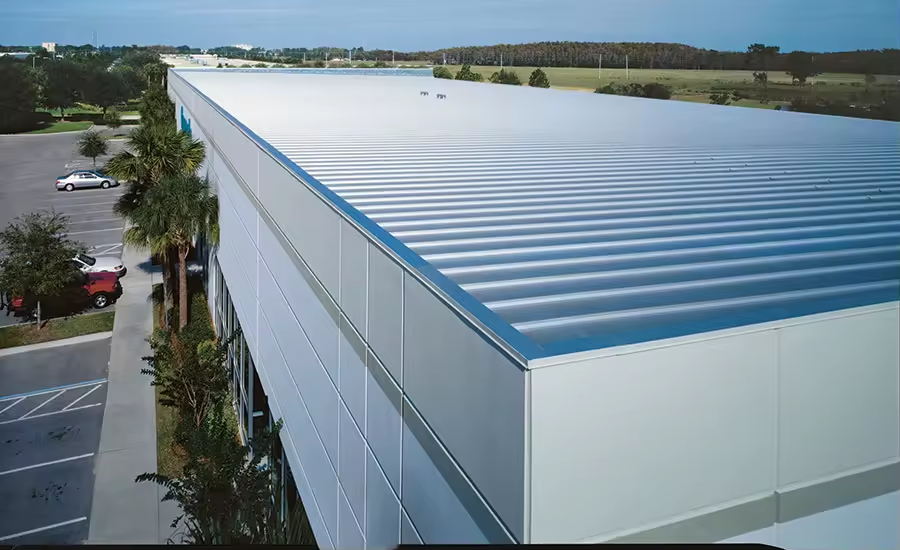
A large factory installed a standing-seam metal roof. The interlocked panels handle thermal expansion and high winds. With integrated PV panels, the building now generates partial electricity, cutting monthly energy costs and emissions.
Climate-Controlled Warehouse
Here, reflective metal panels and insulation reduced solar heat gain dramatically. The cool-roof system lowered HVAC energy use by approximately 30%, enhancing commodity storage climate control.
Retail Plaza with Insulated Metal Panels
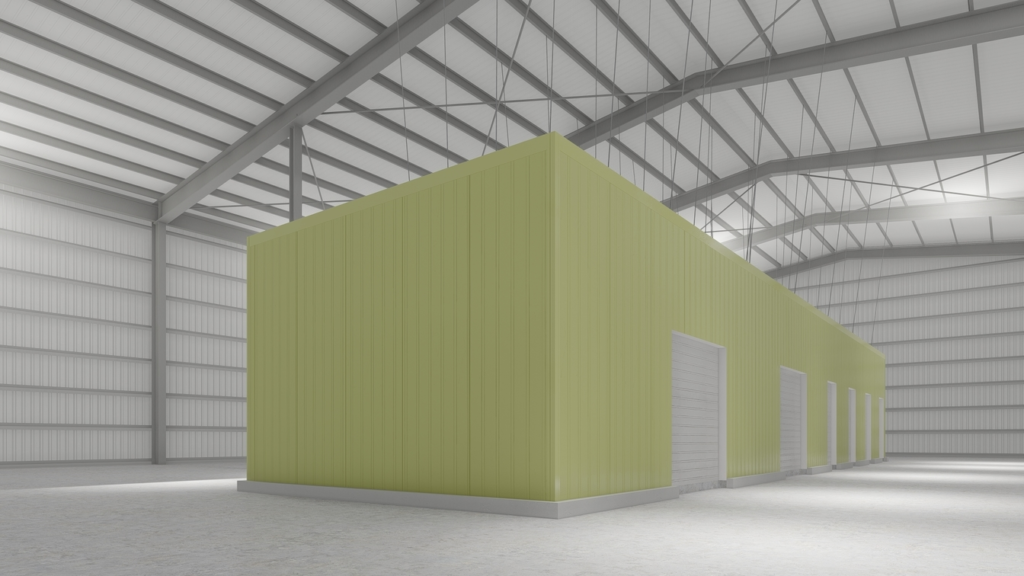
This project used insulated panels combining structure, insulation, and vertical aesthetic cladding. The single-step installation streamlined schedule and improved indoor thermal consistency across units.
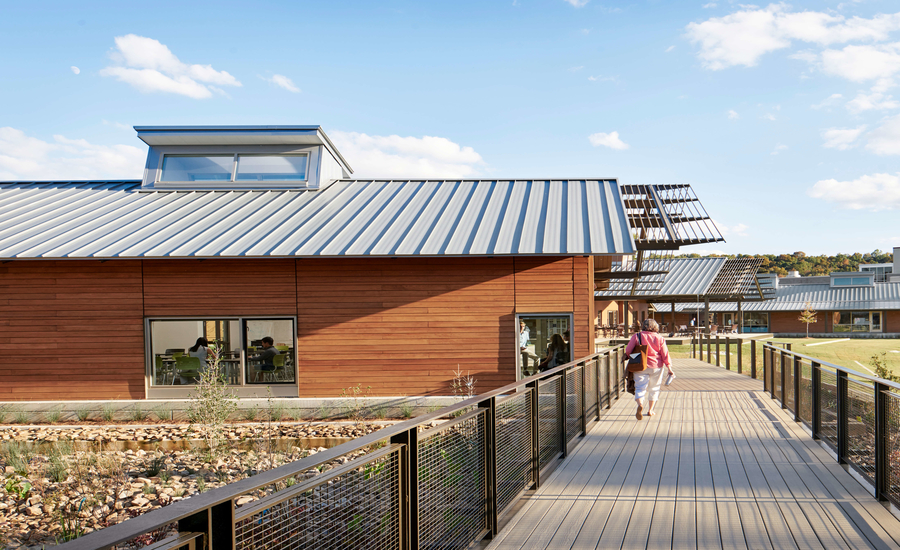
School Retrofit Project
An older school replaced its aging tar roof with a metal system featuring an insulated deck. The new installation eliminated ponding, added insulation, and reduced maintenance needs, boosting safety and thermal performance.
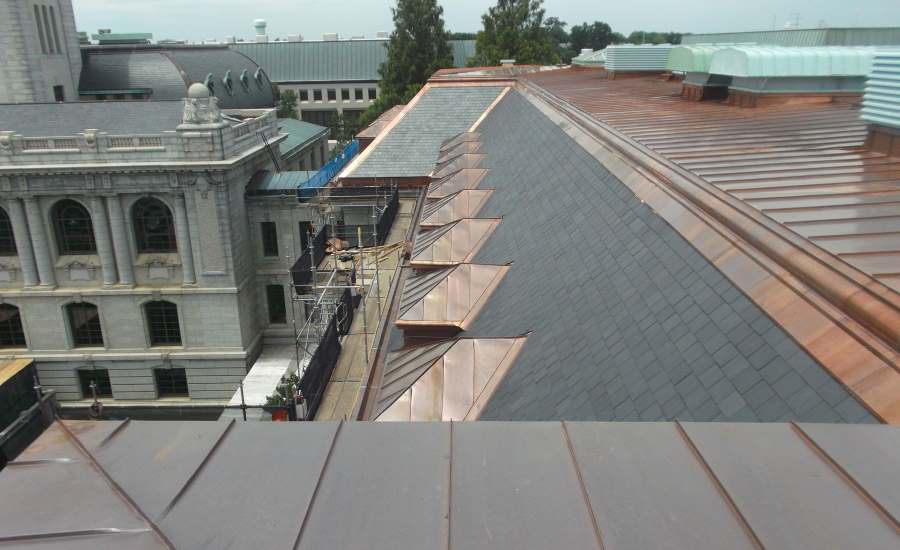
Municipal Building Renovation
A historic town hall received a copper standing-seam roof matching the original design. Copper, a durable and recyclable metal, preserves the heritage design while offering longevity, fire resistance, and low maintenance.
Why Local Contractors Excel
Climate and Code Knowledge
Local contractors know the region’s weather patterns, snow load standards, and code requirements. They apply this to material choice and ventilation systems.
Supplier and Labor Networks
Experienced roofing crews rely on trusted material suppliers and subcontractors. Local networks ensure timely access to warranted panels and efficient project execution.
Emergency Response & Warranty Support
When leaks or storm damage occur, local crews can respond quickly. They also maintain project records and warranties for future maintenance or claims.
Practical Use Cases & Challenges Solved
-
Leak Prevention in Large Facilities
Architectural metal panels with hidden fasteners and proper valleys stop leaks better than other systems. -
Thermal Control in Garages or Hangars
Metal conductor panels bridge span structural needs and offer reflective surfaces for temperature regulation. -
Retrofitting Aging Roofs
Contractors can install metal panels over existing roofs if slope and structure allow, reducing demolition costs. -
Compliance with Green Building Standards
Metal’s recyclability, insulation, and energy performance support LEED, ENERGY STAR®, and tax credits. -
Aesthetic Brand Goals
Custom colors and profiles let businesses showcase brand identity, especially for retail, hospitality, and corporate properties.
Frequently Asked Questions
Q1: What system types do commercial metal roofing contractors install?
Contractors install standing-seam, exposed-fastener panels, insulated metal panels, stone-coated steel, copper, and PV-integrated systems. Choice depends on building slope, climate, and aesthetic needs.
Q2: Can metal roofing be installed over existing roof materials?
Yes—with proper substructure and slope, metal panels can go over existing roofing. This limits waste and reduces costs. However, a full inspection ensures structural capacity and compliance.
Q3: How do I find certified commercial metal roofing contractors nearby?
Search for contractors with manufacturer certifications (e.g., Butler, ASC, Metal Roofing Alliance), proof of insurance, safety programs, and references for commercial projects in your area.