Copper Roofing Contractors Near Me – Expert Guide for Premium & Durable Roofs
Copper roofing offers unmatched durability, elegance, and environmental benefits. When you search for copper roofing contractors near me, you want local experts who understand material challenges, installation techniques, and maintenance, ensuring your investment adds value and beauty that lasts a lifetime. This comprehensive guide explores everything: copper roof types, installer technology, real-world examples, advantages, use cases, and FAQs to guide your decision.
Understanding Copper Roofing and Local Expertise
Why Copper Roofing Requires Specialized Contractors
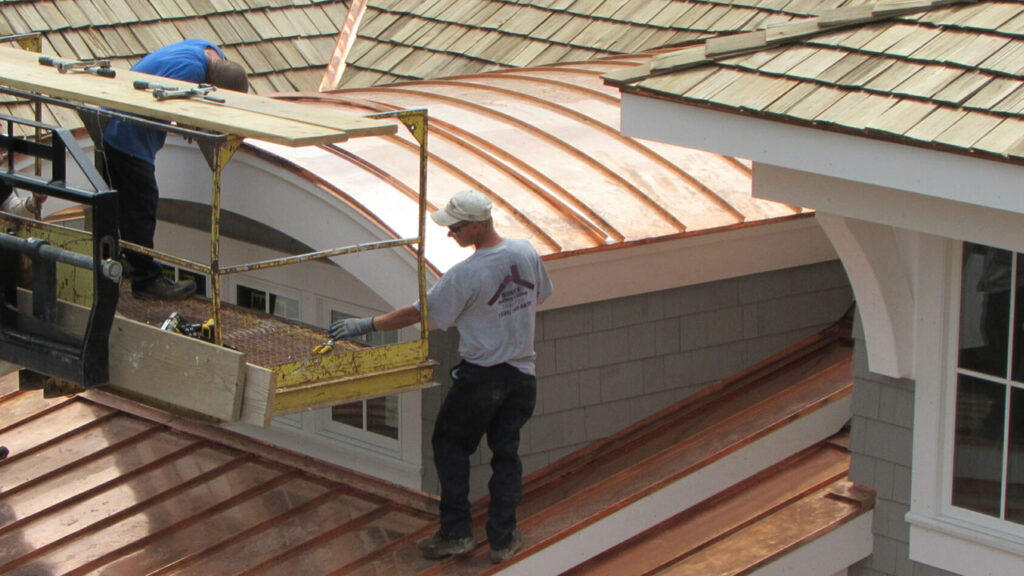
Copper is a unique roofing material with high thermal expansion rates and requires precise installation of seams, fasteners, and flashing. Professional contractors certified in copper roofing know how to account for these factors, avoiding common issues like loosening joints, corrosion through dissimilar metals, and uneven patination over time.
Local contractors familiar with your climate, whether coastal salt air, snowy winters, or high UV exposure, can recommend the right copper alloy, thickness, and sealant systems to ensure longevity and aesthetic consistency.
Copper Roofing’s Design Excellence
Copper roofs offer a timeless architectural appeal from traditional standing-seam panels to ornate custom eaves, gutters, and domes. It’s often used in historic restoration, high-end custom homes, and landmark buildings where the visual impact and longevity justify the upfront investment.
Types of Copper Roofing Profiles
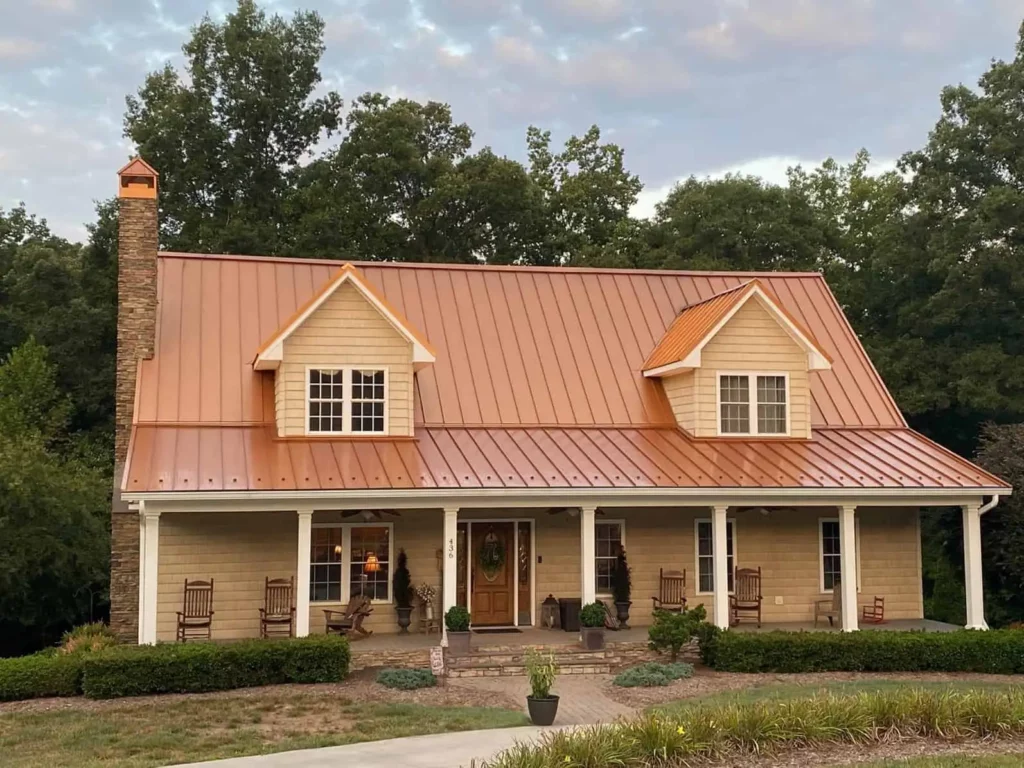
Standing-Seam Copper Roofing
This style uses raised seams where individual copper panels interlock vertically. Panels are typically 16 to 24 inches wide and held with hidden clips that accommodate expansion and contraction. Over time, they develop a natural patina that protects against corrosion and gives the roof a majestic green hue, adding both durability and timeless beauty.
Copper Shake and Tile
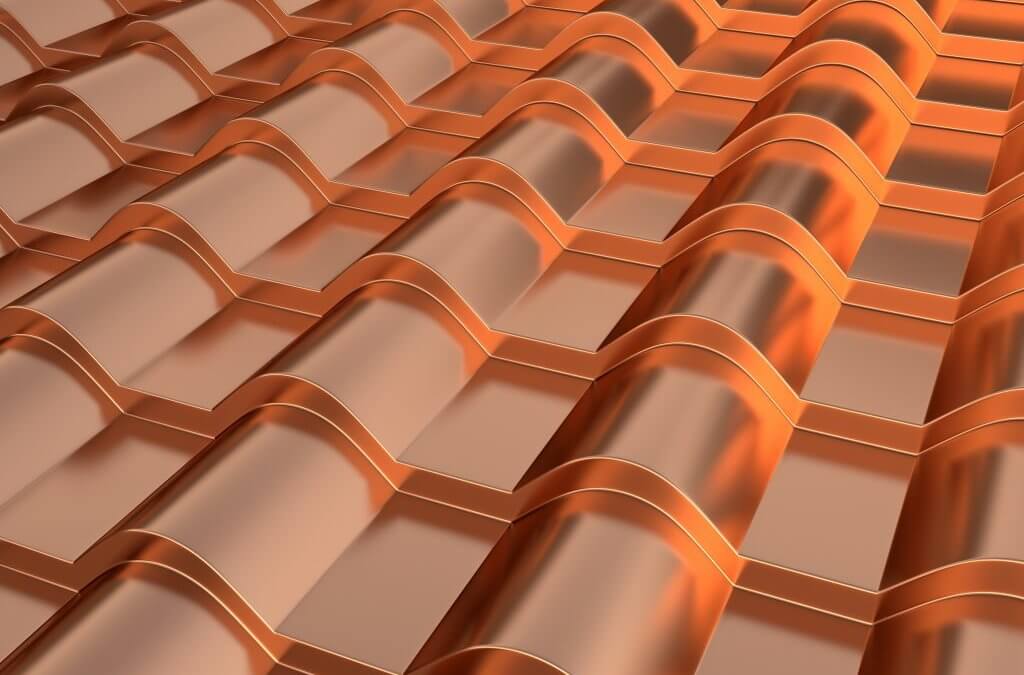
Copper shake mimics natural wood or slate textures but resists weathering and fire. Lightweight tiles are applied like shingles, using patterned installation to create visual depth. Their modular size allows for easier replacement of single tiles if needed.
Copper Cladding and Accents
Beyond full roofing, copper is also used for dormers, chimneys, fascia, gutters, and downspouts. Contractors working with copper roofing often provide complete systems, ensuring seamless color development and material matching across exterior accents.
Advanced Installation Technology and Best Practices
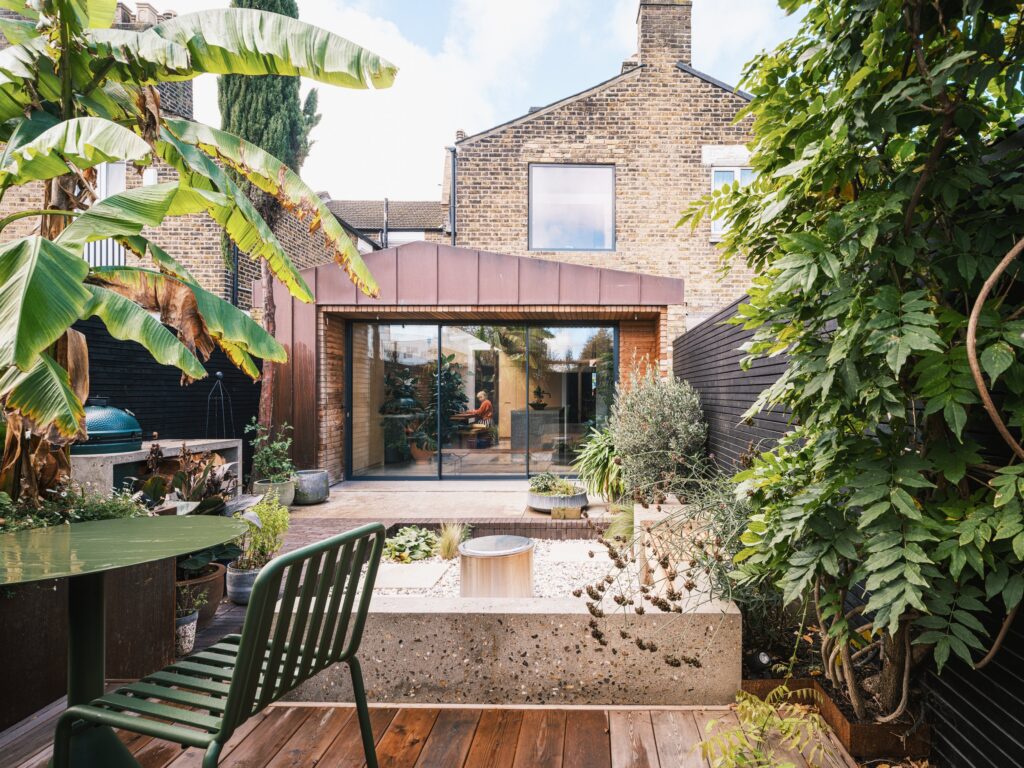
Precision Seaming and Fastening
Copper panels are seamed by hand or with mechanical roll-formers. Expert installers ensure seams are crisp and aligned. They use alumagasket or plastic grommet washers to prevent contact corrosion between copper and fasteners, with concealed clips allowing free thermal movement.
Proper Underlayment and Substrate Preparation
A robust underlayment is vital. Contractors typically install high-temperature synthetic felt or breathable membranes beneath copper, then nail panels into a ventilated wood or metal deck. This prevents condensation and supports long-term substrate integrity.
Patina Control and Finishing Techniques
Contractors may pre-paint panels using sealants to control aesthetic uniformity over time. Some projects benefit from kiln-fired finishes promoting slow, even patina development. Installers understand how to limit blemishes from handling or contaminant contact.
Real-World Copper Roofing Projects
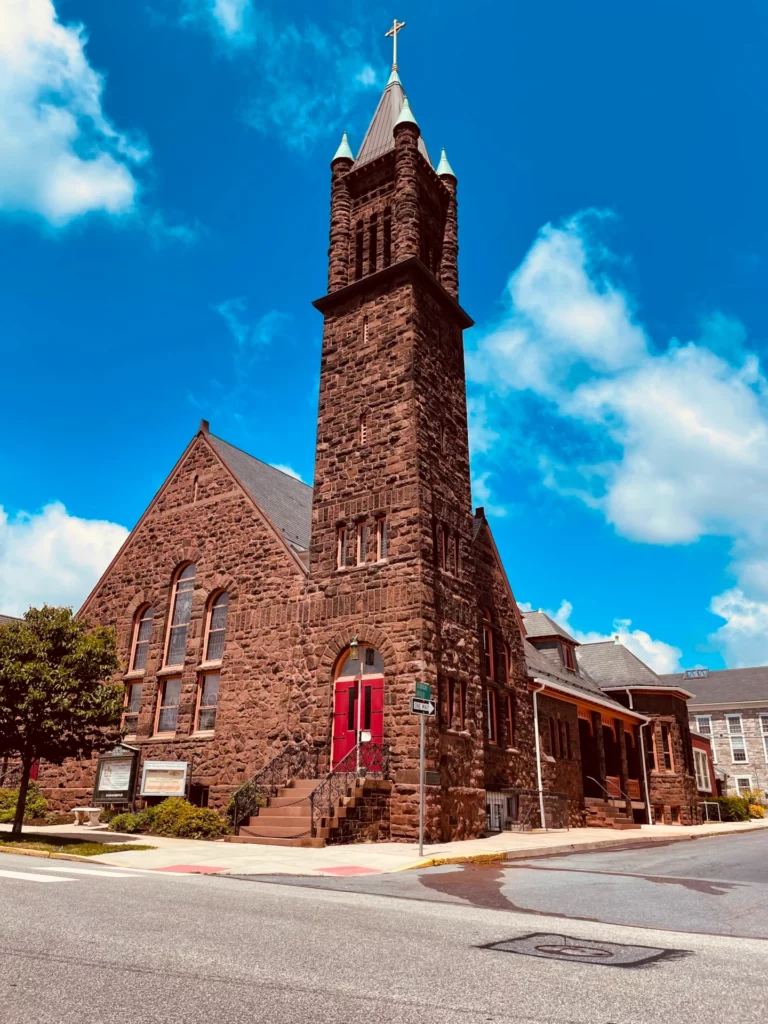
Historic Church Restoration
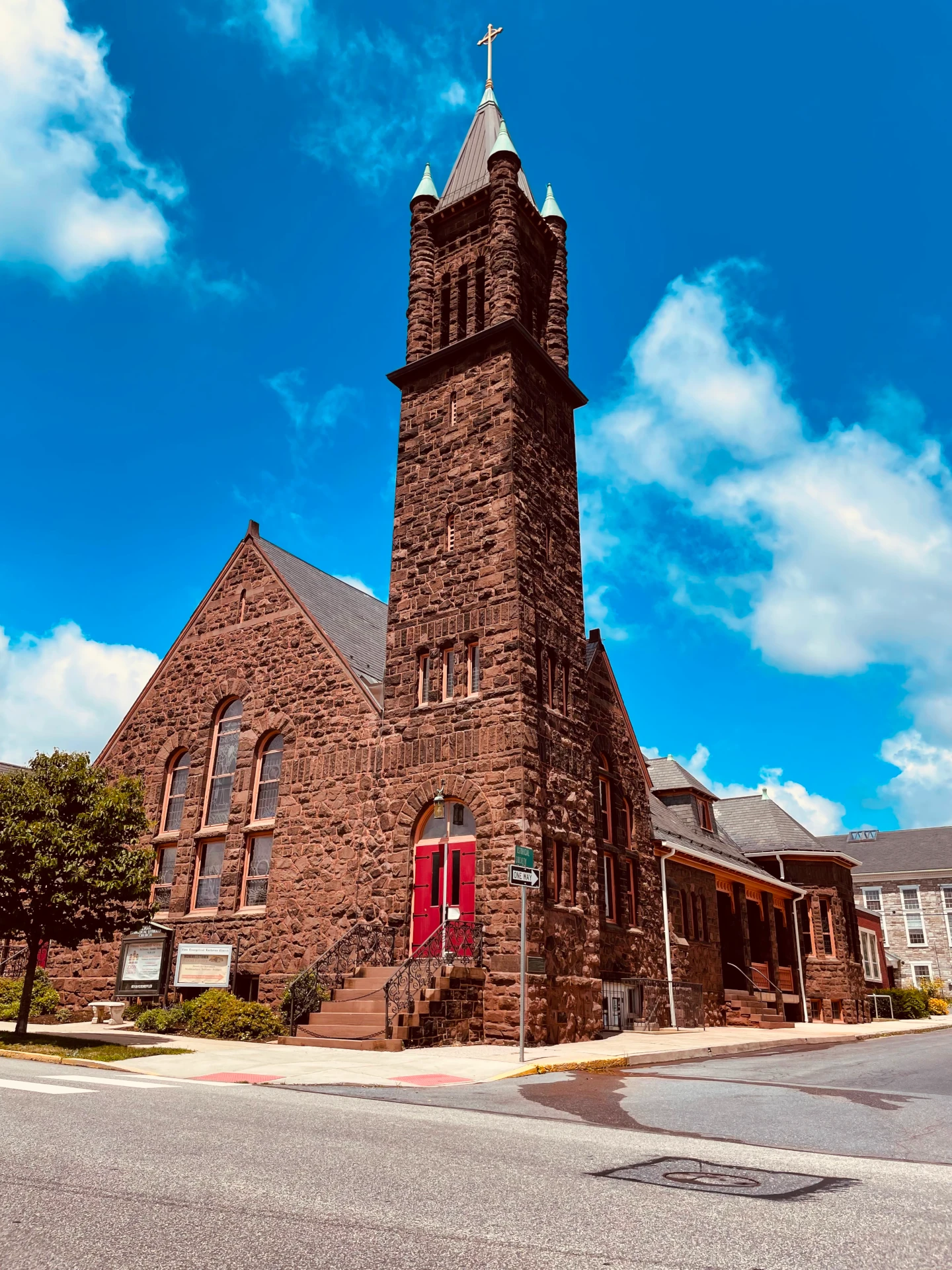
A late 19th-century church needed roof replacement while preserving original design. Copper standing-seam panels were crafted to match historical patterns, including ornamental finials. Upside: increased lifespan (100+ years), preserved architectural heritage, and weatherproofing without altering aesthetics.
Luxury Custom Home
An upscale custom home featured a multi-faceted copper roof with changing slopes, dormers, and skylights. Contractors used prefabricated panels and hand-seamed transitions for perfectly aligned seams and enhanced visual coherence.
Museum with Copper Accents
A modern museum used copper for its green roof boundary, cupola, and fascia. The copper provided a vibrant visual highlight while matching the interior’s natural tonality. Contractors isolated copper from dissimilar metals using rubber barriers to preserve patina.
Benefits of Copper Roofing Systems
Longevity and Durability
Copper roofs can last over a century with minimal maintenance. The metal resists corrosion, UV degradation, and internal mechanical breakdown. Patina formation acts as a protective barrier, reducing maintenance frequency and total lifecycle cost.
Environmental and Sustainability Benefits
Copper is fully recyclable and abundant. Its reflective properties reduce urban heat absorption. Plus, copper often qualifies for credits in green building rating systems, supporting sustainability goals.
Weather and Fire Resistance
Copper resists extreme weather—snow, wind, hail, freeze-thaw cycles far better than asphalt or wood roofing. It is non-combustible with a Class-A fire rating, offering safety for structures in fire-prone or high-risk areas.
Aesthetic Transformation
Copper’s evolution from reddish brass to emerald patina adds dynamic visual interest. It complements historic and contemporary styles, elevating perceived value and architectural distinction.
Use Cases: Why People Choose Copper Roofing
Heritage Building Preservation
Historic structures require roofing materials that match legacy aesthetics while providing modern durability. Copper is ideal for matching original architecture and ensuring centuries-long performance.
High-End Custom Homes
Architects choose copper for its premium look and long-term value. It differentiates high-end projects and becomes a selling point in luxury real estate.
Environmental Sustainability Projects
Eco-friendly initiatives often specify long-life and recyclable materials. Copper aligns with zero-waste goals and less frequent roofing replacements.
Coastal or Salt-Air Environments
Copper resists salt corrosion better than zinc or steel. Coastal buildings benefit from copper’s resilience and ability to maintain structural integrity in harsh marine climates.
Statement or Landmark Construction
Cupolas, domes, spires, and other architectural features draw attention when clad in copper, creating visual touchpoints that define landmarks.
Practical Challenges of Copper Roofing
Even with its many advantages, copper roofing is a skilled trade:
-
Material softness demands careful transport and storage. Contractors use specialized pallet covers and slow handling to prevent scratches.
-
Thermal expansion requires correctly engineered seams and fastening systems.
-
Patination timelines require attention; premature oxidant exposure may produce uneven greens.
Local copper roofing contractors manage these through experience and tailored procedures, safeguarding quality and client satisfaction.
Frequently Asked Questions
Q1: How long does a copper roof last?
With proper installation, copper roofs last 80–100+ years. The natural patina protects against corrosion, ensuring maintenance-free performance compared to other materials.
Q2: Does copper roofing require special maintenance?
Copper needs minimal upkeep: annual debris clearing, gutter checks, and occasional washing. Avoid pressure washing or abrasive cleaners that may scar the surface. If desired, a clear sealant can preserve color before patina forms.
Q3: Is copper roofing more expensive than other materials?
Yes—material and install cost is higher than asphalt or composite shingles. But over the lifespan, less frequent replacements and high durability often result in comparable or lower total ownership costs.