Roof Replacement Solar Companies – Comprehensive Guide to Top Providers & Benefits
Choosing the Right Solar Roof Replacement Provider
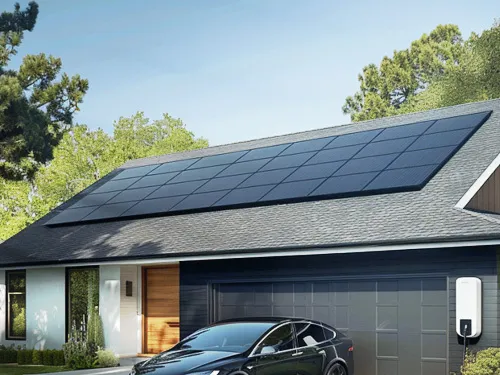
When investigating solar companies that replace your entire roof, you’re not just installing solar panels; you’re investing in a long-term infrastructure upgrade. Leading providers such as Tesla Solar Roof, CertainTeed Apollo II, and GAF DecoTech offer comprehensive solutions combining roofing and solar in one integrated system. These companies manage everything from initial consultations and structural assessments to the final installation and post-installation support. Understanding their services, certifications, warranties, and pricing structures is essential.
Unlike traditional solar installations added on top of your existing roof, these full replacement solutions provide a sleek, durable alternative that functions as both the roof and energy producer. They maintain aesthetic harmony with your home and come with strong warranty coverage for both roofing material and solar performance. Most providers perform a full structural analysis, ensuring your home can safely integrate the system with proper drainage, load-bearing capacity, and fire resistance measures.
How Solar Roof Replacement Works
Solar roof replacement projects follow a structured process:
-
Initial Site Survey
A certified installer visits your property to assess roof orientation, pitch, shading, and structural integrity. They determine optimal solar tile arrangements to match power production needs and aesthetic goals. -
Design & System Engineering
Engineers generate a customized layout detailing energy output projections, component placement, and integration with inverters and electrical systems. Any additional structural reinforcements are outlined. -
Roof Removal & Preparation
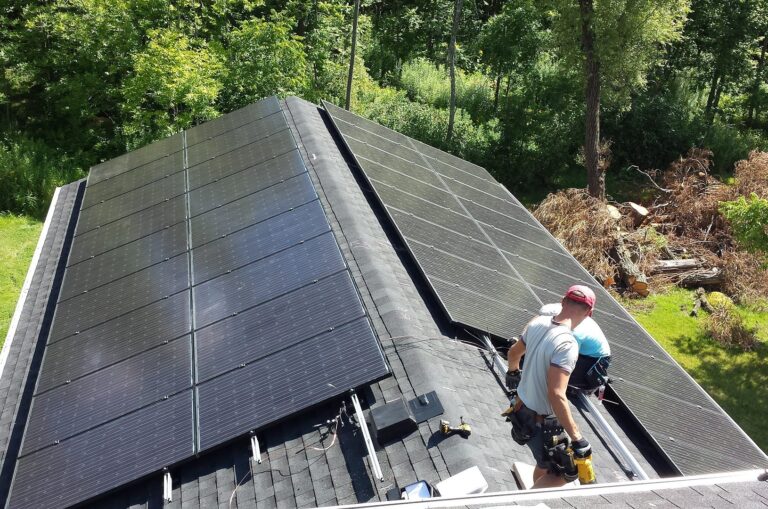
Installers carefully remove the existing roofing material and inspect the decking for damage. Required decking repairs or replacement are performed before installing underlayment and flashing. -
Module Integration & Electrical Connection
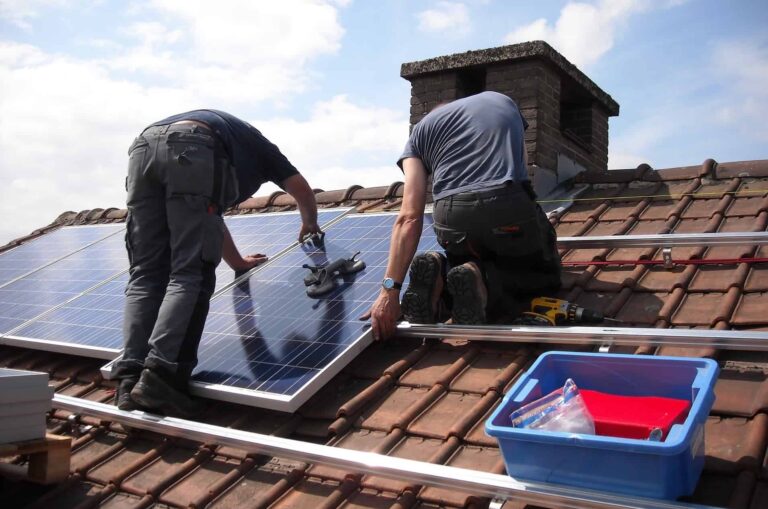
Solar roofing tiles or shingles are installed per the engineered design. Wiring, microinverters, or power optimizers are incorporated seamlessly, with final connection to the home’s electrical panel. Battery or grid tie-in systems are added if included. -
Inspection & Commissioning
After installation, the system undergoes inspections to ensure code compliance and functionality. Microinverter or optimizer systems are tested, and solar production monitoring is configured. -
Ongoing Support & Warranty Coverage
Most companies offer long-term warranties covering both solar output (usually 25+ years) and roofing materials (30+ years), plus performance monitoring platforms and maintenance services.
Advantages of Integrated Solar Roofing Technology
The integrated nature of roof replacement solar systems offers several benefits:
-
Seamless Aesthetic
Solar tiles look almost identical to traditional roofing materials, maintaining visual appeal. With modules blending into the roofline, there’s no bulky panel array. -
Durability & Longevity
These systems are built from impact-resistant tempered glass, steel reinforcement frames, and weather-resistant coatings, outperforming many standard roofing materials in hail, wind, and fire protection. -
Cost Efficiency Over Time
By eliminating dual costs of roof replacement and solar installation, homeowners save on labor, materials, and logistical overhead. The combined warranty also consolidates risk coverage. -
High Energy Yield & Smart Monitoring
Systems feature power optimizers or microinverters that maximize output per module, even in partial shade or irregular orientations. Real-time monitoring ensures immediate alerts for performance issues. -
Environmental Impact
You’re reducing embodied carbon by extending the life of your roof and generating renewable energy, lowering your home’s carbon footprint for decades.
Real-World Example: Tesla Solar Roof
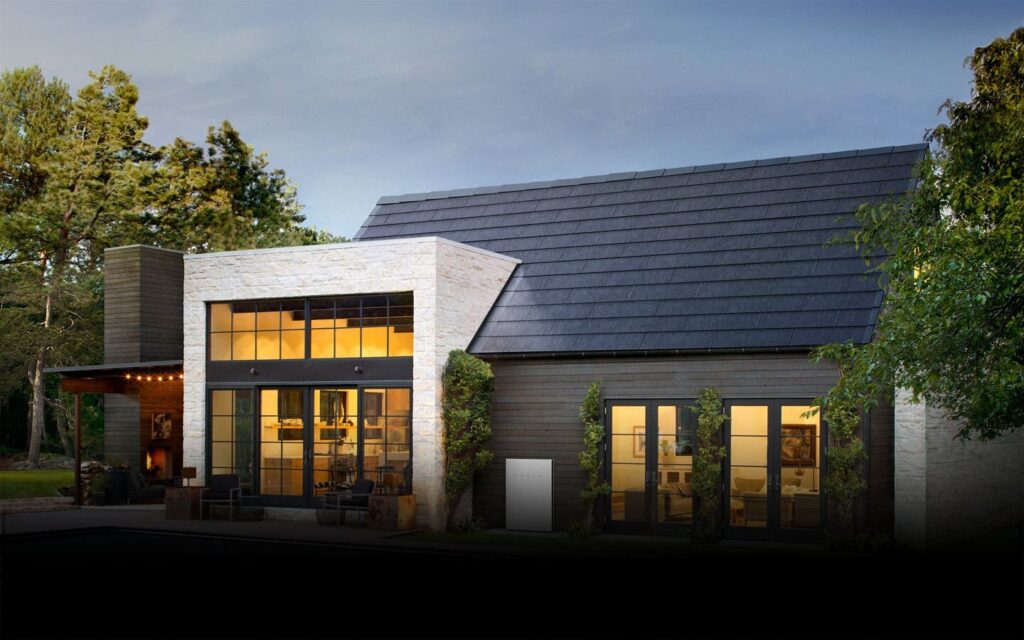
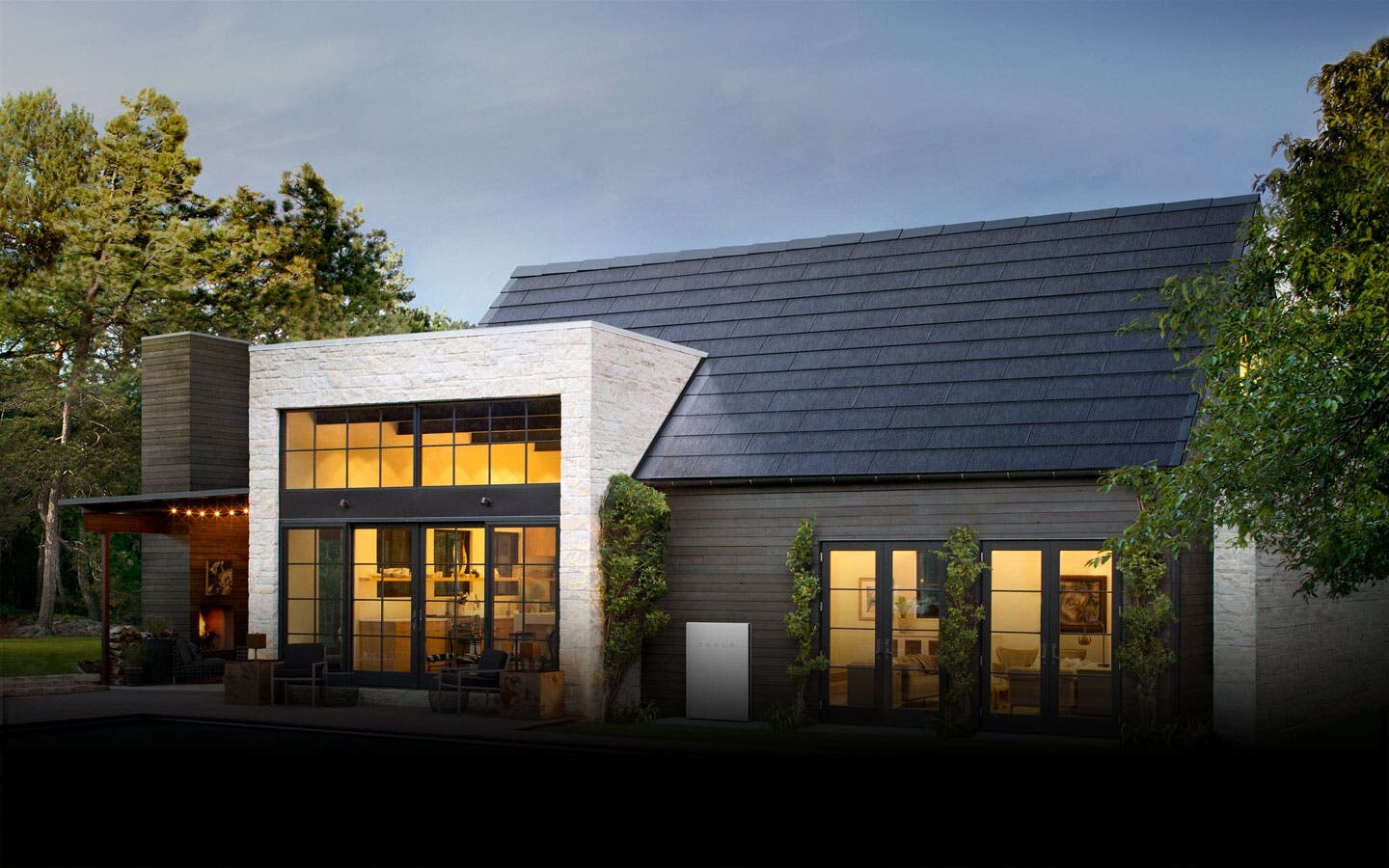
Tesla’s Solar Roof uses tempered glass tiles with embedded photovoltaic cells, available in four styles—Smooth, Textured, Tuscan, and Slate—to match different architectural aesthetics. Each tile integrates solar seamlessly while covering the entire roof surface.
This system comes with a 30-year warranty covering both energy production and product quality. It integrates with the Tesla Powerwall for home energy storage and backup. Tesla’s software tracks energy generation, consumption, and savings, with app-based control. The modular design allows selective replacement without removing the entire roof.
Used by businesses and homeowners seeking a sleek, premium integrated solar solution. Ideal for modern homes where design is a priority. It addresses problems like high energy bills and insufficient roof aesthetics.
Real-World Example: CertainTeed Apollo II Solar Shingle System
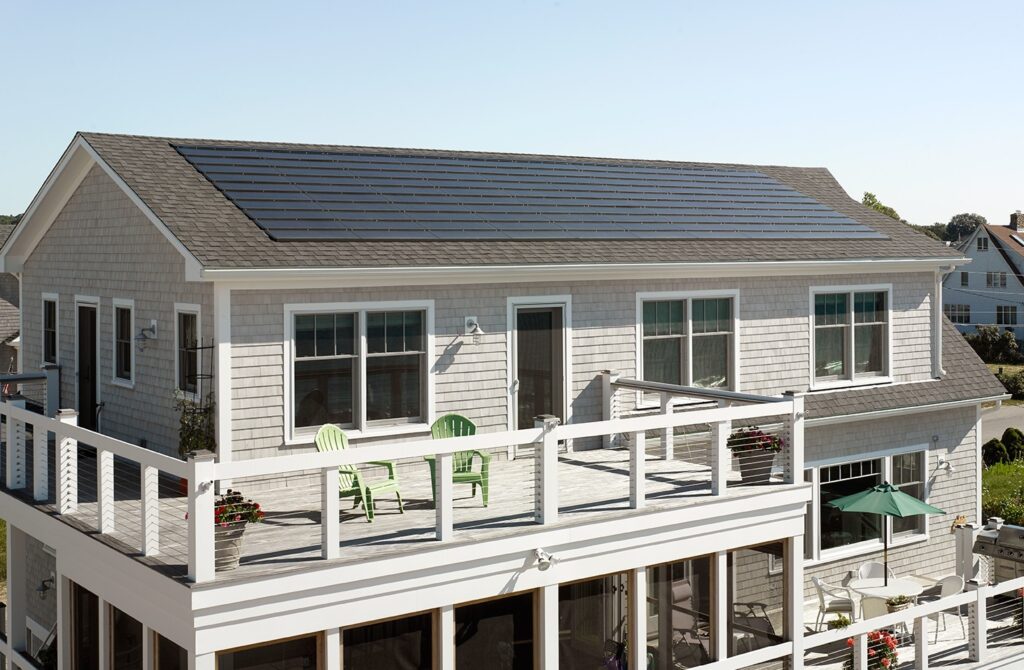
CertainTeed’s Apollo II system uses CIGS solar cell technology within tear-off or laminate shingles. They look and feel like conventional asphalt shingles but produce energy. The solar shingles challenge with dynamic shading, ng thanks to integrated bypass diodes, enabling reliable performance.
The system is backed by a 25-year warranty covering both solar and roofing integrity. It connects to microinverters concealed beneath the shingles, simplifying wiring. CertainTeed offers it through certified roofing contractors experienced in asphalt and solar installation.
Great for homeowners who prefer familiar asphalt aesthetics but want solar functionality. It solves problems like limited panel roof availability and strict architectural requirements. It’s useful for homes with asphalt roofing in need of replacement.
Real-World Example: GAF DecoTech Solar Shingles
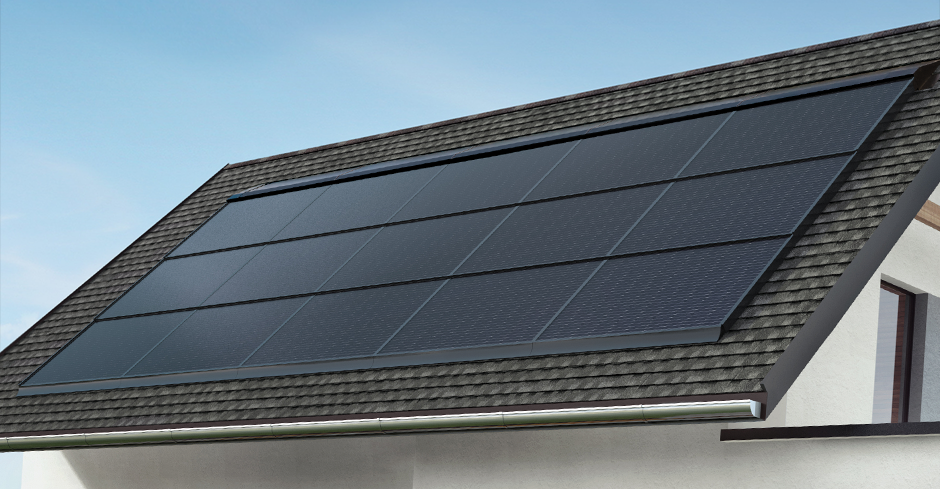
GAF DecoTech solar shingles are flexible, lightweight photovoltaic strips compatible with asphalt composition roofs. They integrate under GAF asphalt shingles with discreet modules. The professional-grade system includes weatherproof tape, flashings, and rails.
DecoTech integrates with Enphase microinverters, offering module-level monitoring and greater efficiency in partial shade. GAF supports the product with a 25-year performance warranty plus roofing system warranties.
Widely used on residential properties seeking a familiar shingle look with minimal design compromise. It addresses challenges like homeowner association approvals and architectural rigor.
Detailed Advantages of Solar Roof Replacement
Switching to a solar roof replacement offers tangible benefits:
-
Lower Energy Bills
By combining roofing and solar replacement, homeowners can offset most or all of their electricity usage, reducing monthly utility bills significantly. -
Single Major Investment
Replacing your roof just once for both roofing and solar avoids needing future tear-offs, cutting labor costs and construction downtime. -
Higher Home Value
Homes with solar roofs typically sell at a premium due to energy savings, aesthetic appeal, and long-term warranty coverage for both roof and system. -
Resilience and Durability
These systems use premium materials tested for high impact resistance and fuel longevity up to 30+ years, reducing maintenance and repair costs. -
Smart Energy Management
Integrated inverters with real-time monitoring allow homeowners to spot underperforming modules, optimize system use, and integrate storage with Home Energy Management systems. -
Environmental Sustainability
Produces clean energy, lowers greenhouse gas emissions, and reduces dependence on fossil-fuel electricity for decades.
Practical Use Cases & Problem-Solving Scenarios
-
Outdated Roof Undergoing Replacement
For homeowners whose asphalt roof is nearing its lifespan (15–25 years), choosing a solar replacement at the same time prevents future disruptions. It solves the problem of needing to tear off newly installed solar panels when the roof needs replacement later. -
Homes with Stricter Aesthetics or HOA Guidelines
Traditional solar arrays can face pushback from homeowner associations or aesthetic-conscious neighborhoods. Solar roof replacements maintain a unified appearance, avoiding bulky panels and satisfying architectural standards. -
Regional Climate with Extreme Weather
In areas prone to hail, high winds, or wildfires, premium glass or metal solar tiles offer superior resistance compared to asphalt shingles. This solves durability concerns and reduces potential claims or replacement costs. -
Energy Independence & Off-Grid Readiness
Homeowners aiming for backup power and grid independence can use integrated solar roofing with battery storage. This solution addresses outages, peak pricing, and disaster readiness better than add-on systems. -
Luxury Home Renovations
For high-end properties undergoing full exterior upgrades, solar roof replacements serve as an elegant, tech-forward energy solution that enhances resale value and green credentials without compromising design.
Common Concerns & Insightful Clarifications

-
Cost Comparisons
Solar roof replacements typically cost more upfront than standalone solar systems due to integration and premium materials. However, when factoring in future roof replacement costs and lifecycle savings, they often balance out over time. -
Installation Complexity
This technology requires certified installers for roofing and electrical work. Some brands, such as Tesla, limit installations to their crews, while others, like CertainTeed and GA, work through vetted partner contractors. -
System Maintenance
Once installed, these systems require minimal maintenance. Regular inspections, cleaning, and monitoring ensure optimal performance. Glass modules resist soiling and degradation, reducing upkeep needs. -
Warranty Coverage
Standard offerings include 25-year solar production, with roofing material warranties up to 30 years. This reduces financial risk and builds homeowner confidence.
Frequently Asked Questions
1. How long does a solar roof replacement last?
Typically, solar roofing systems carry a 25-year warranty on solar output and 25–30 years on material quality. With proper installation and maintenance, these systems can last 25–35 years or more, matching or exceeding traditional roof lifespans.
2. Can I install a solar roof if I plan to move soon?
Absolutely. Solar roof replacements increase curb appeal and resale value while reducing operating costs for prospective buyers. They also signal long-term sustainability, which is attractive on the real estate market.
3. What about shading or unusual roof shapes?
Most systems use microinverters or optimizers to handle shading at module level. Designers tailor layouts to roof geometry and sun exposure. Even if part of the roof is shaded, other modules continue producing efficiently, mitigating shading concerns.