Solar Roof Quote: Comprehensive Guide to Accurate Pricing and Value
Title: Solar Roof Quote: Comprehensive Guide to Accurate Pricing and Value
Meta Description: Learn how to evaluate a solar roof quote effectively. This in-depth guide covers cost breakdown, quote components, technology benefits, real-world examples, and practical use cases for homeowners.
Solar Roof Quote: Comprehensive Guide to Accurate Pricing and Value
Understanding a solar roof quote is essential for homeowners exploring solar options for roof-mounted photovoltaic systems or building-integrated solutions. With costs varying greatly, it’s critical to understand quote elements, technology advantages, and real-life scenarios. This in-depth guide equips you with the knowledge to navigate quotes confidently, identify value, and make informed decisions.
What a Solar Roof Quote Should Include

A comprehensive solar roof quote goes beyond per‑watt pricing. It must detail system size and layout, hardware specifications, labor, warranties, and financial incentives. Without clarity, homeowners risk hidden costs and misunderstandings.
The quote typically specifies total kilowatts, estimated annual energy production, price per watt, installation labor, balance-of-system hardware (inverters, racking), and financing options. Detailed line items foster transparency and trust.
Additionally, quotes should include projected timelines permitting, construction, utility interconnection, and inspections so homeowners can plan accordingly. Delays in any phase can impact installation and financing schedules.
Key Cost Factors That Impact a Solar Roof Quote
System Size and Energy Needs
System size is driven by your household’s electrical consumption, roof area, orientation, and shading. Larger systems cost more initially but yield better electricity offsets and lower per-watt pricing.
Roof Type and Integration
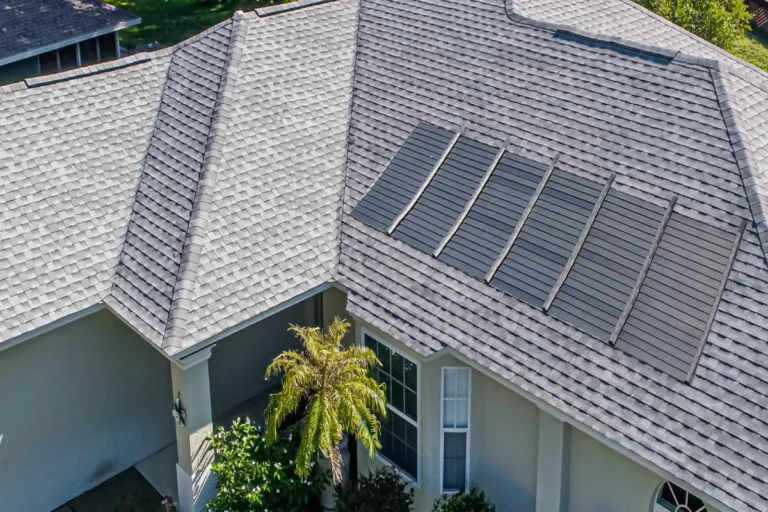
Installing solar shingles (BIPV) or thin-film systems on metal roofs affects labor and material costs. Thin-film panels on standing‐seam metal roofs avoid drilling but may cost $2–$3 per watt, while solar shingles range $3.80–$9 per watt .
Hardware Quality and Efficiency
Equipment matters: monocrystalline panels are more efficient and costlier than polycrystalline. Lower quality hardware may reduce upfront cost, but may underperform or lack reliable warranties .
Labor Complexity and Permitting
Complex roof designs, permits, electrical upgrades, and utility interconnection add cost. Local labor rates vary, so quotes reflect regional wage standards and permit fees.
How to Analyze a Solar Roof Quote Effectively
Start by discerning cost-per-watt: a traditional panel system may range $2.74–$3.30 per watt, while solar shingles cost more due to roof replacement included, often 15–25% higher overall.
Ensure quotes specify which items are included in tax credit calculations some companies exclude non-solar hardware, affecting financial outcomes.
Ask about production guarantees and warranties. Some quotes offer only 2-year guarantees; reputable providers offer 10–25-year performance coverage with guaranteed energy output metrics.
Check for lender markups. Financing through installers can artificially inflate quotes by thousands compared to all-cash pricing.
Real‑World Quote Scenarios and Systems
Traditional Rooftop Panel System
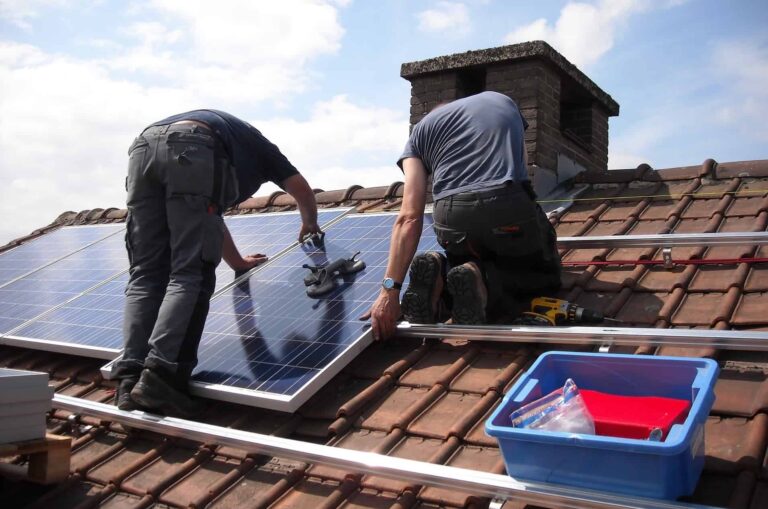
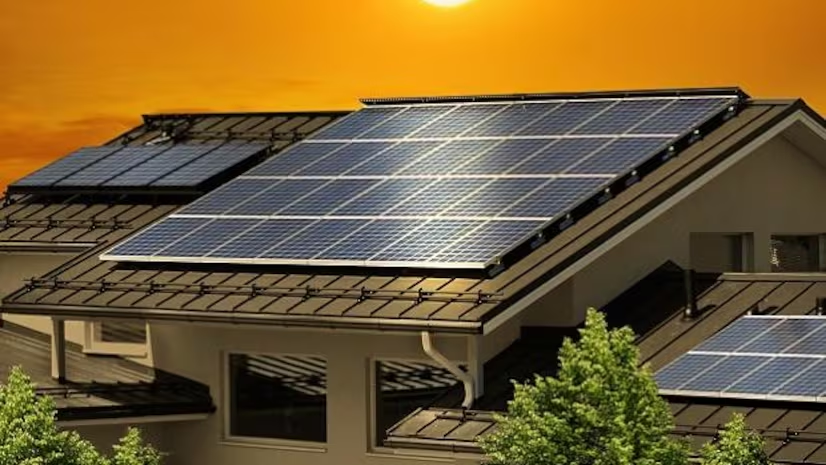
A homeowner receives a quote for a 6 kW monocrystalline panel system. The quote lists $3 per watt equipment, $1 per watt labor, $1,000 in permit fees, for a total of $30,000 before incentives. It includes estimated energy savings, system lifetime performance metrics, and a 25-year warranty—reflecting a clear breakdown of costs and benefits.
Thin‑Film PV on Metal Roof
For a metal-roof property, the installer provides a quote for thin-film panels installed adhesive-style on standing-seam roofing. At $2.50 per watt and minimal roof penetrations, total cost is $17,500 for a 7 kW system. Lower per-watt cost balances lower efficiency, fitting the client’s long metal roof with minimal disruption.
Solar Shingle (BIPV) Installation
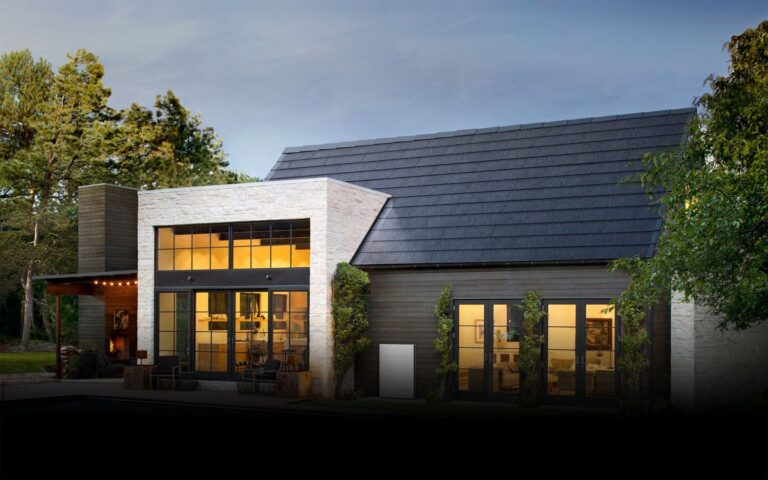
An integrated solar shingle solution quote lists $7.50 per watt for a 5 kW system ($37,500), including roof replacement. Offers streamlined aesthetics and seamless waterproofing, ideal for homeowners needing a new roof and solar simultaneously.
Benefits of Technological Advancements in Solar Roof Systems
High-Efficiency Panels
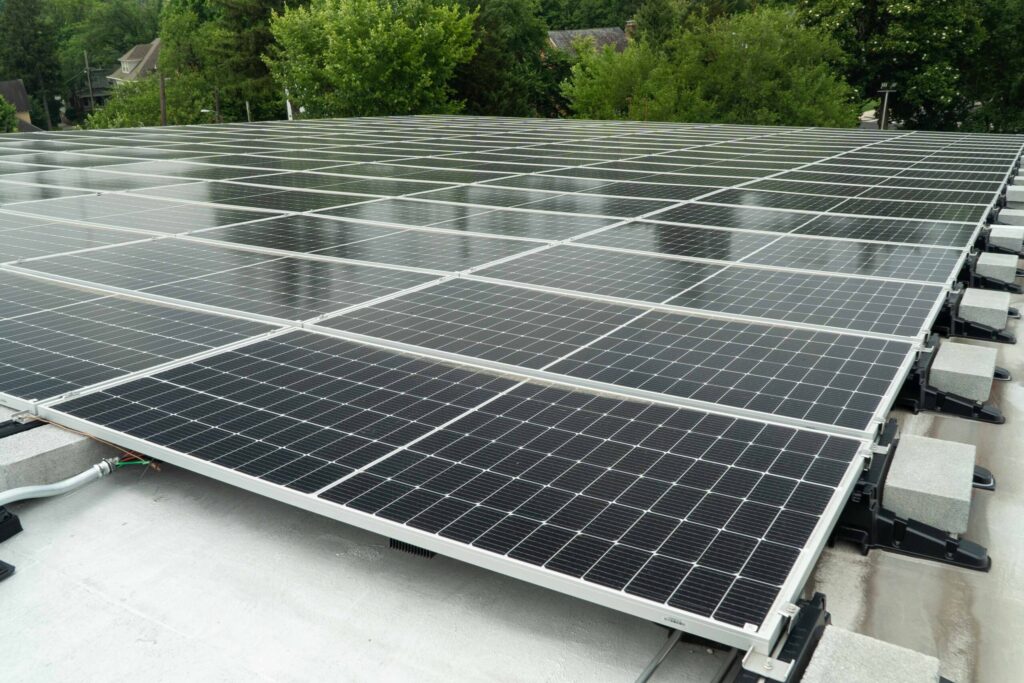
Modern monocrystalline modules offer 20+% efficiency, maximizing energy production for limited roof space and increasing quote value through greater yield.
Thin‑Film PV on Metal Roofs
These low-weight, adhesive-mounted panels avoid drilling, accelerating installs, and preserving roof integrity. They often cost $2–$3 per watt with quicker ROI due to lower labor.
Building‑Integrated Photovoltaics
Solar shingles replace traditional roofing materials with seamless energy generation. Though 15–25% more expensive, they cover roof replacement while providing power, ideal for aesthetic-conscious homeowners.
Smart Monitoring and Warranty Tools
Modern systems include real-time monitoring portals, remote diagnostics, and performance guarantees, empowering homeowners and installers to track energy output and address issues proactively.
Use Cases: Practical Reasons to Seek a Solar Roof Quote
Retiring Roof with High Energy Costs
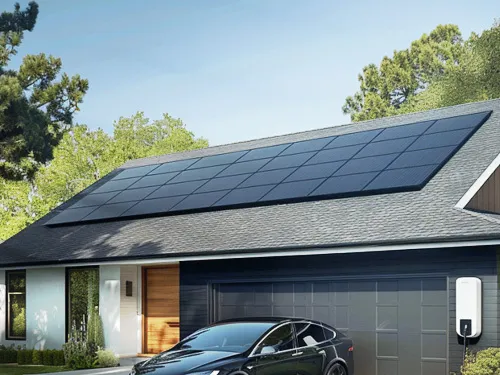
Homeowners with roofs near end-of-life and high electricity usage benefit from combined solar-shingle quotes. They get a new roof, power generation, and warranty in one package—saving future labor and costs.
Aging Metal Roof Replacement
A metal-roof homeowner opts for thin-film PV quote to add solar at $2.50 per watt while avoiding penetrations and leveraging the roof’s longevity and minimal disruption.
Aesthetic-Driven Rooftop Project
In a historic neighborhood with design rules, solar shingles offer compelling aesthetics. The homeowner receives a quote for BIPV installation that keeps the roof’s visual harmony while powering the home.
Frequently Asked Questions
Q1: Why do solar roof quotes vary so much?
Key factors include system size, panel type, labor complexity, roof structure, permitting, and warranties. Customized site assessments adjust quotes to each property’s needs.
Q2: What’s a fair cost per watt?
In the U.S., panel systems generally range from $2.74–$3.30 per watt fully installed. Thin-film on metal roofs runs $2–$3, while solar shingles start at $3.80 and can exceed $9 per watt.
Q3: What should I compare across quotes?
Compare price per watt, included hardware, installation method, warranty coverage, financing terms, and projected energy output. Ensure quotes are apples-to-apples in system scope and quality.
Conclusion
Requesting a detailed solar roof quote equips you to evaluate costs, technologies, and value effectively. By focusing on cost-per-watt breakdowns, integrated system options, and comparing multiple providers, you can uncover the right solution for your home, whether it’s panels, thin-film, or solar shingles. Use this guide to interpret quotes confidently, leverage advanced technologies, and plan a solar system that meets your financial, aesthetic, and energy goals.